
Sarajevo Food Guide 2026: Why This Is One of Europe’s Most Underrated Food Cities
Sarajevo food guide 2026 — if you visit Bosnia and Herzegovina’s capital and only eat one plate of ćevapi, you have missed the point.
Sarajevo is one of Europe’s most underrated food cities, but not in the lazy way every travel article calls somewhere “underrated.” Sarajevo is specifically underrated because its food culture is compact, affordable, deeply local, and easy to experience without needing expensive restaurants.
In a few streets around Baščaršija, you can eat charcoal-grilled ćevapi in a traditional ćevabdžinica, buy fresh burek or sirnica from a buregdžinica, point at stews in an aščinica, drink Bosnian coffee from a copper džezva, try tufahija after lunch, and finish the night in a kafana where the meal turns into music and conversation.
The best part is that Sarajevo food is not difficult to access. You do not need a tasting menu, a reservation months in advance, or a food critic’s budget. You need to know what the signs mean, what to order, what not to call “burek,” and where tourists accidentally choose the wrong kind of restaurant.
This Sarajevo food guide explains what to eat, where to eat it, how to order, and the small local distinctions that make the difference between simply eating in Sarajevo and actually understanding the city’s food.
For the broader city guide, read: Is Sarajevo Worth Visiting in 2026? Honest Travel Guide, Costs & Safety
Quick Answer: What Should You Eat in Sarajevo?
If you only have one or two days in Sarajevo, start with these dishes.
| What to Eat | What It Is | Where to Try It |
|---|---|---|
| Ćevapi | Grilled minced-meat sausages in somun bread | Baščaršija ćevabdžinicas |
| Burek | Meat-filled Bosnian pie | Buregdžinica Bosna or Sač-style bakeries |
| Sirnica | Cheese-filled pita | Buregdžinicas |
| Krompirača | Potato-filled pita | Buregdžinicas |
| Zeljanica | Spinach/greens and cheese pita | Buregdžinicas |
| Begova čorba | Rich chicken and vegetable soup | Aščinicas or traditional restaurants |
| Grah | Bean stew | Aščinicas |
| Sarma | Stuffed cabbage rolls | Traditional restaurants |
| Klepe | Bosnian dumplings/ravioli with meat | Dveri, Eno or traditional restaurants |
| Tufahija | Poached apple stuffed with walnuts | Dessert shops or traditional restaurants |
| Bosnian coffee | Strong coffee served in džezva and fildžan | Baščaršija coffee houses |
| Rakija | Fruit brandy | Kafanas and traditional restaurants |
If you only have time for three food stops, do this:
1. Ćevapi in Baščaršija
2. Burek or sirnica from a buregdžinica
3. Bosnian coffee in a traditional café
The Sarajevo Food Glossary You Need Before You Order
Walking through Baščaršija without knowing these words means missing half of what is around you.
| Word | Meaning | Why It Matters |
|---|---|---|
| Ćevabdžinica | A restaurant specializing in ćevapi | Best place for Sarajevo’s most famous dish |
| Buregdžinica | A bakery/restaurant selling burek and pita | Best for breakfast or brunch |
| Aščinica | Cafeteria-style place serving ready-made Bosnian stews and soups | Cheapest and most local-style meal |
| Kafana | Traditional restaurant/café-bar with food, rakija and sometimes live music | Better for slow meals and evenings |
| Džezva | Small copper pot for Bosnian coffee | Part of the coffee ritual |
| Fildžan | Small handleless cup for Bosnian coffee | What the coffee is poured into |
| Somun | Soft flatbread served with ćevapi | Essential to the dish |
| Kajmak | Rich dairy cream/cheese-like topping | Often available with grilled meat |
| Rakija | Fruit brandy | Common hospitality drink |
These signs matter because Sarajevo food culture is specialized. A ćevabdžinica is not where you go for a long menu. A buregdžinica is not where you order grilled meat. An aščinica is not there for polished tourist dining. Each place has a job, and the best ones do that job very well.
1. Ćevapi: Sarajevo’s Essential Dish
Ćevapi are the dish you must eat in Sarajevo.
They are small, skinless grilled minced-meat sausages, usually served inside soft somun bread with raw onion. The best versions have a charcoal-grill flavor, juicy meat, soft bread lightly warmed by the grill, and enough simplicity that nothing distracts from the meat and bread.
TasteAtlas describes ćevapi as a source of national pride in Bosnia and Herzegovina and one of the country’s favorite dishes, usually made from seasoned minced meat and grilled over charcoal. TasteAtlas Sarajevo dishes
In Sarajevo, you usually order by portion size:
| Order | Best For |
|---|---|
| 5 pieces | Light meal or first tasting |
| 7 pieces | Normal hungry traveler portion |
| 10 pieces | Big meal |
| 15+ pieces | Very hungry or sharing |
Five pieces is enough for many travelers if you are eating multiple times in the day. Ten is not impossible, but it can slow you down.
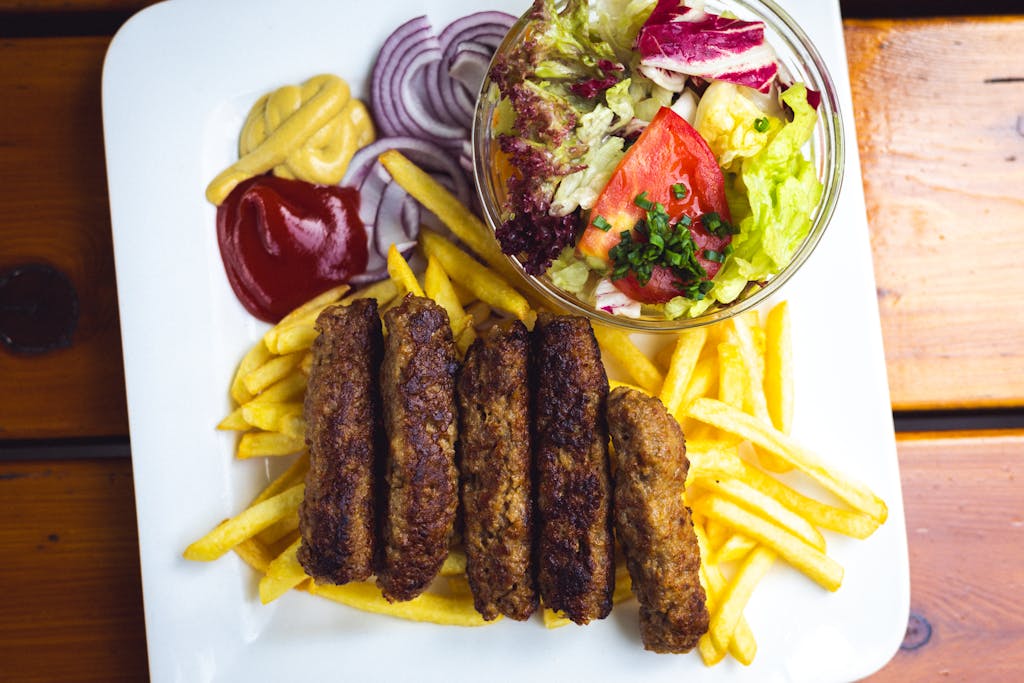
How to Choose a Good Ćevapi Place
The strongest ćevapi places are usually simple.
They do not need a huge menu. They do not need aggressive waiters. They do not need to sell every Balkan dish under the sun. The classic Sarajevo ćevapi experience is focused: grilled meat, somun, onion, yogurt or sour milk if you want it, and a fast turnover of local customers.
A useful rule: if the place looks specialized and busy, it is probably a safer bet than a broad tourist restaurant selling ćevapi beside pizza, pasta, beer towers and every regional dish at once.
Some classic ćevabdžinicas do not serve alcohol. That can be a good sign of a traditional setup, but do not turn it into a hard rule. The better test is specialization, freshness, steady local traffic, and whether the grill is clearly central to the place.
Best Ćevapi Places in Sarajevo
Sarajevo locals will never fully agree on the best ćevapi. That debate is part of the culture.
For visitors, the easiest approach is to try one of the old Baščaršija institutions first, then compare another later.
Ćevabdžinica Željo
Best for: first-time visitors, classic Baščaršija ćevapi
Area: Baščaršija
Why go: famous, central, fast, easy to find
Link: Ćevabdžinica Željo on Tripadvisor
Željo is the name many visitors hear first, and for good reason. It is central, busy, and deeply associated with Sarajevo ćevapi. Tripadvisor lists Željo among Sarajevo’s well-reviewed restaurants, with a large volume of traveler reviews.
There are multiple Željo locations close together in Baščaršija, which is useful when one has a queue. If one side is packed, check the other before giving up.
Order: five or ten ćevapi in somun, with onion.
Tip: Go slightly before or after peak lunch if you hate queues.
Petica Ferhatović
Best for: old-school Sarajevo ćevapi
Area: Baščaršija / old town
Why go: one of the classic names locals and visitors compare
Link: Petica Ferhatović on Tripadvisor
Petica is another classic ćevapi institution and is often mentioned in the same conversation as Željo, Hodžić and Nune. It is a good place to try if you want a more old-school feel and do not want to simply follow the most internationally famous name.
Order: five-piece portion if you are comparing multiple places.
Tip: “Petica” means “five,” which fits the classic smaller portion.
Ćevabdžinica Hodžić
Best for: central Baščaršija ćevapi near the old bazaar
Area: Baščaršija
Why go: another canonical Sarajevo ćevapi stop
Link: Ćevabdžinica Hodžić on Tripadvisor
Hodžić is centrally located in the old town and is one of the names travelers often compare. Tripadvisor lists it as a barbecue/Eastern European restaurant near Baščaršija, with many reviews specifically mentioning ćevapi.
Order: ćevapi with onion, plus yogurt if you want the classic local pairing.
Tip: Works well as a quick lunch stop while exploring Coppersmith Street and Baščaršija.
Nune
Best for: travelers who want to compare local favorites
Area: Baščaršija / old Sarajevo area
Why go: often recommended in local and traveler discussions
Link: Sarajevo restaurant listings on Tripadvisor
Nune is another long-running Sarajevo ćevapi name that comes up often in local debates. It is less useful to overclaim that it is “the best,” because every Sarajevo resident seems to have a different answer. Better advice: try it if you are already comparing ćevapi shops and want to move beyond the most obvious first stop.
Order: five-piece or seven-piece portion.
Tip: If you have two days, try Željo once and Nune or Hodžić once.
Ćevabdžinica Kastel
Best for: trying a different ćevapi style
Area: Sarajevo
Why go: Banja Luka-style ćevapi variation
Link: Sarajevo restaurant listings on Tripadvisor
Kastel is worth considering if you want to understand that not all Bosnian ćevapi are the same. Banja Luka-style ćevapi are shaped differently and have a different texture and feel from Sarajevo-style portions.
Order: Banja Luka-style ćevapi.
Tip: Try this after you have already had the classic Sarajevo version.
The Best Way to Eat Ćevapi in Sarajevo
Do not overcomplicate it.
Order ćevapi.
Add onion.
Use your hands.
Tear the somun.
Do not rush.
Drink yogurt or sour milk if you want the classic pairing.
If you are planning a serious food day, start with five pieces. Sarajevo is a city where the mistake is not eating enough variety.
2. Burek and Pita: The Distinction That Matters
Every visitor says “burek with cheese” once.
Then someone corrects them.
In Bosnia and Herzegovina, burek means meat-filled pie. Other fillings are usually called pita, with their own names:
| Name | Filling |
|---|---|
| Burek | Meat |
| Sirnica | Cheese |
| Krompirača | Potato |
| Zeljanica | Spinach/greens and cheese |
| Tikvenjača | Pumpkin/squash, when available |
This distinction matters because Sarajevo takes food words seriously. In some countries, “burek” is used broadly for many filled pastries. In Bosnia, the meat version is burek; the others have their own names.
So do not ask for “cheese burek.” Ask for sirnica.
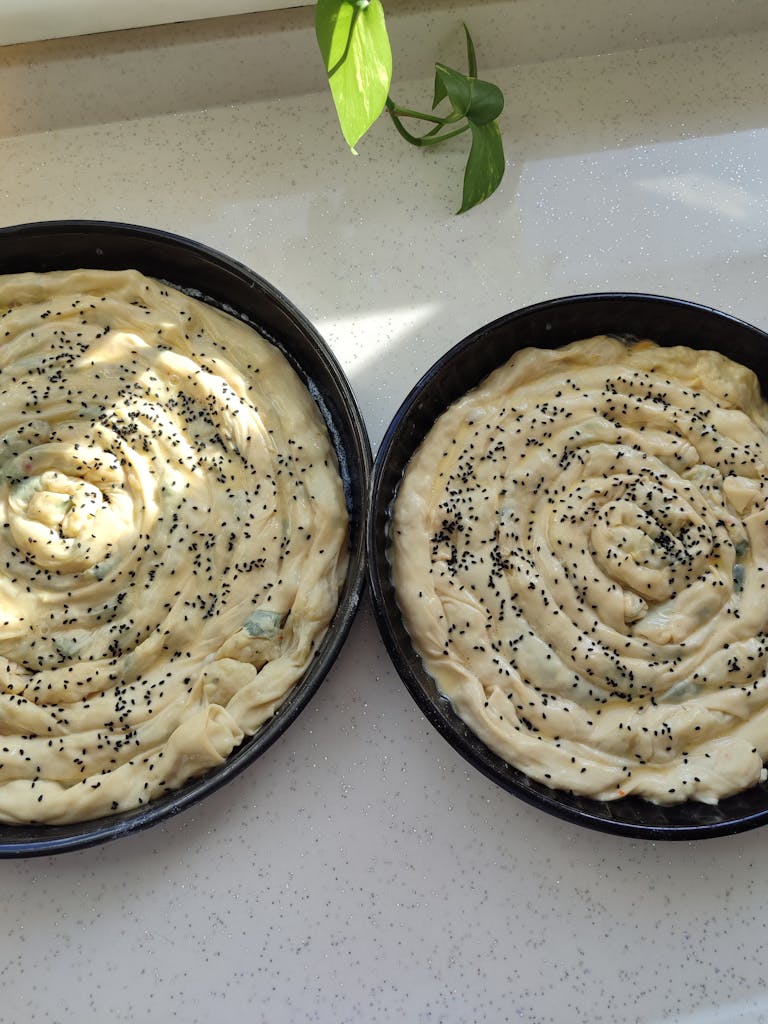
How Burek and Pita Are Served
Burek and pita are usually sold by weight.
A normal portion depends on how hungry you are, but this is a useful guide:
| Portion | Best For |
|---|---|
| 200g | Snack |
| 300g | Light breakfast |
| 400g | Full meal |
| 500g+ | Serious hunger |
The pastry should be warm, flaky, and soft inside. Many places serve it with yogurt or a sour cream-style sauce.
Burek and pita are best earlier in the day, especially for breakfast or brunch. Go in the morning if you want the freshest pastry.
Best Burek and Pita Places in Sarajevo
Buregdžinica Bosna
Best for: first-time burek and pita experience
Area: Baščaršija
Why go: classic, central, easy to find
Link: Buregdžinica Bosna on Tripadvisor
Buregdžinica Bosna is one of the easiest places for visitors to understand the burek/pita system. It is central, busy, and practical if you are exploring Baščaršija.
Order: burek if you eat meat; sirnica or zeljanica if you want vegetarian.
Tip: Ask for yogurt on the side.
Buregdžinica Sač
Best for: traditional sač-style pastry
Area: Baščaršija
Why go: classic old-town buregdžinica
Link: Buregdžinica Sač on Tripadvisor
Sač is another strong old-town option. The name refers to a traditional cooking method, and the place is a good stop if you want to compare more than one buregdžinica.
Order: krompirača or sirnica if you already tried meat burek elsewhere.
Tip: This is a better breakfast/brunch stop than dinner stop.
3. Aščinica: The Local Meal Most Visitors Miss
The aščinica is one of the most useful food concepts in Sarajevo.
It is a cafeteria-style eatery serving ready-made traditional dishes: soups, stews, beans, stuffed vegetables, cabbage rolls, slow-cooked meats, and vegetable dishes. You look at what is available, point or order, and eat quickly and cheaply.
This is the kind of food many locals actually eat when they are not taking visitors out for grilled meat.
It is not glamorous. That is the point.
What to Eat at an Aščinica
| Dish | What It Is |
|---|---|
| Begova čorba | Rich chicken and vegetable soup |
| Grah | Bean stew |
| Sarma | Stuffed cabbage rolls |
| Japrak | Stuffed vine leaves |
| Dolma | Stuffed vegetables |
| Bosanski lonac | Bosnian meat and vegetable stew |
| Klepe | Bosnian dumplings, sometimes available |
| Spinach and eggs | Simple home-style dish |
Aščinicas are excellent for lunch. They are also useful if you want a break from grilled meat and pastry.
Aščinica Hadžibajrić
Best for: traditional Bosnian home-style food
Area: Baščaršija
Why go: old-school local meal, stews and soups
Link: Aščinica Hadžibajrić on Tripadvisor
Aščinica Hadžibajrić is one of the best-known names for this style of eating. It is the place to go when you want Bosnian food that feels closer to a household lunch than a tourist restaurant meal.
Order: begova čorba, grah, sarma or whatever looks best that day.
Tip: Do not expect a long explanation of every dish if it is busy. Look, choose, eat.
Aščinica ASDŽ
Best for: low-cost local lunch in the old town
Area: Baščaršija
Why go: practical, filling, local-style food
Link: Aščinica ASDŽ on Tripadvisor
ASDŽ is another strong option if you want an aščinica-style meal. It is useful for travelers who want something warm, filling, and less tourist-facing than a sit-down restaurant.
Order: soup, stew, beans, stuffed vegetables or daily specials.
Tip: Great for lunch between old-town sightseeing stops.
4. Sit-Down Bosnian Restaurants Worth Booking
Sarajevo is not only quick food.
Ćevapi and burek are essential, but you should also have at least one proper sit-down Bosnian meal. This is where you try stews, klepe, pogača, salads, grilled meats, slow-cooked dishes, and rakija in a slower setting.
Dveri
Best for: polished traditional Bosnian food in Baščaršija
Area: Baščaršija
Why go: atmospheric interior, strong food, good first sit-down meal
Link: Dveri on Tripadvisor
Dveri is one of the easiest traditional restaurants to recommend because it works for visitors without feeling like a generic tourist trap. It is small, warm, and known for Bosnian dishes in a cozy old-town setting.
Tripadvisor lists Dveri as one of the highly rated restaurants near Baščaršija, with a large volume of reviews.
Order: pogača, sopska salad, klepe, grilled meat or house specialties.
Tip: Book or go early because it fills up.
Inat Kuća
Best for: traditional food plus Sarajevo history
Area: Opposite Sarajevo City Hall / Miljacka River
Why go: famous “House of Spite” story and Bosnian dishes
Link: Inat Kuća on Tripadvisor
Inat Kuća is a restaurant, but it is also a Sarajevo story.
The popular story is that the original house stood where Austro-Hungarian authorities wanted to build near the City Hall. The owner resisted, and the house was eventually moved stone by stone to the other side of the river. Sarajevo Times and Atlas Obscura both recount this “House of Spite” history, and the building became a traditional Bosnian restaurant in the late 1990s.
Order: begova čorba, sarma, Bosnian platter or slow-cooked dishes.
Tip: Go for the story and setting as much as the food.
Eno
Best for: garden terrace and views
Area: Hillside above the old town
Why go: view over Sarajevo, slower meal, weekend atmosphere
Link: Sarajevo restaurant listings on Tripadvisor
Eno is a good choice if you want a meal away from the densest Baščaršija circuit. The appeal is the garden, the view, and the feeling of eating above the city rather than inside the tourist core.
Order: klepe, grilled meats, Bosnian dishes.
Tip: Reserve ahead, especially on weekends.
Minjo
Best for: local-feeling traditional meal away from tourist streets
Area: Residential Sarajevo
Why go: more local than central old-town restaurants
Link: Sarajevo restaurant listings on Tripadvisor
Minjo is the kind of place to consider if you want one meal outside the obvious tourist route. It is better for travelers who have already done Baščaršija and want something more residential and local-feeling.
Order: sarma, stews or grilled dishes.
Tip: Take a taxi and confirm opening hours before going.
Nacionalni Restoran Višegrad
Best for: traditional restaurant feel and rakija
Area: Sarajevo
Why go: homely atmosphere and Bosnian menu
Link: Sarajevo restaurant listings on Tripadvisor
This is a good option if you want a less famous traditional restaurant rather than the same names every guide repeats. It works best for travelers who like old-fashioned dining rooms, local dishes, and rakija.
Order: traditional stews, grilled meat, rakija.
Tip: Good for a slower dinner rather than a quick lunch.
5. Bosnian Coffee: The Ritual, Done Properly
Bosnian coffee is not just a caffeine stop.
It is one of Sarajevo’s most important social rituals. It is served in a džezva, poured into a fildžan, and usually accompanied by sugar cubes and rahat lokum. The point is not speed. The point is time, conversation, and hospitality.
Recent Sarajevo coffee coverage highlights a point locals often make: do not casually call Bosnian coffee “Turkish coffee.” The styles are related through Ottoman history, but Bosnians often distinguish their coffee culture and preparation as something specific to Bosnia and Herzegovina. Spilling the beans on Sarajevo
How Bosnian Coffee Is Served
A traditional Bosnian coffee set usually includes:
| Item | What It Is |
|---|---|
| Džezva | Copper pot with long handle |
| Fildžan | Small handleless cup |
| Sugar cubes | Usually dipped or bitten, not simply stirred |
| Rahat lokum | Sweet similar to Turkish delight |
| Water | Often served before or alongside coffee |
| Copper tray | Traditional presentation |
How to Drink Bosnian Coffee
There is no need to perform the ritual perfectly, but this is the basic idea:
Drink water first.
Let the grounds settle.
Pour slowly into the fildžan.
Do not pour the muddy grounds into the cup.
Dip or bite sugar if you want sweetness.
Sip slowly.
Do not drink the final grounds at the bottom.
Do not rush it. If someone says “hajmo na kahvu,” the invitation is not only about caffeine. It means “let’s sit and talk.”
Where to Drink Bosnian Coffee in Sarajevo
Morića Han
Best for: Ottoman-era atmosphere in Baščaršija
Area: Baščaršija
Why go: historic caravanserai setting
Link: Morića Han
Morića Han is one of the most atmospheric places to experience coffee in the old bazaar area. It works especially well if you want a setting that feels connected to Sarajevo’s trading and Ottoman-era history.
Viennese Café / Bečka Kafana area
Best for: Austro-Hungarian interior and grand café feel
Area: Near Gazi Husrev-beg Bezistan / Hotel Europe area
Why go: different Sarajevo coffee atmosphere
Link: Hotel Europe Sarajevo
Sarajevo’s coffee culture is not only Ottoman-style. The city also has an Austro-Hungarian layer, and grand café interiors help explain that side of the city.
Baščaršija Traditional Cafés
Best for: simple, local old-town coffee
Area: Baščaršija
Why go: easiest traditional coffee experience
Link: Baščaršija on Visit Sarajevo
If you do not want to overplan, simply sit in a traditional café in Baščaršija and order Bosnian coffee. The old town is the right place to experience it.
Buying a Džezva in Sarajevo
If you want a useful souvenir, buy a copper džezva set from Kazandžiluk, the coppersmith street near Baščaršija.
Look for handmade pieces rather than cheap decorative sets. Coppersmithing and metalwork are part of Sarajevo’s old bazaar identity, and recent travel coverage has highlighted renewed interest in Bosnia and Herzegovina’s traditional crafts around Baščaršija and Konjic.
For day trips to Konjic and craft heritage, read: Best Day Trips from Sarajevo 2026
6. Bosnian Sweets and Lesser-Known Dishes
Sarajevo food is often described through ćevapi and burek, but the city has more to offer.
Tufahija
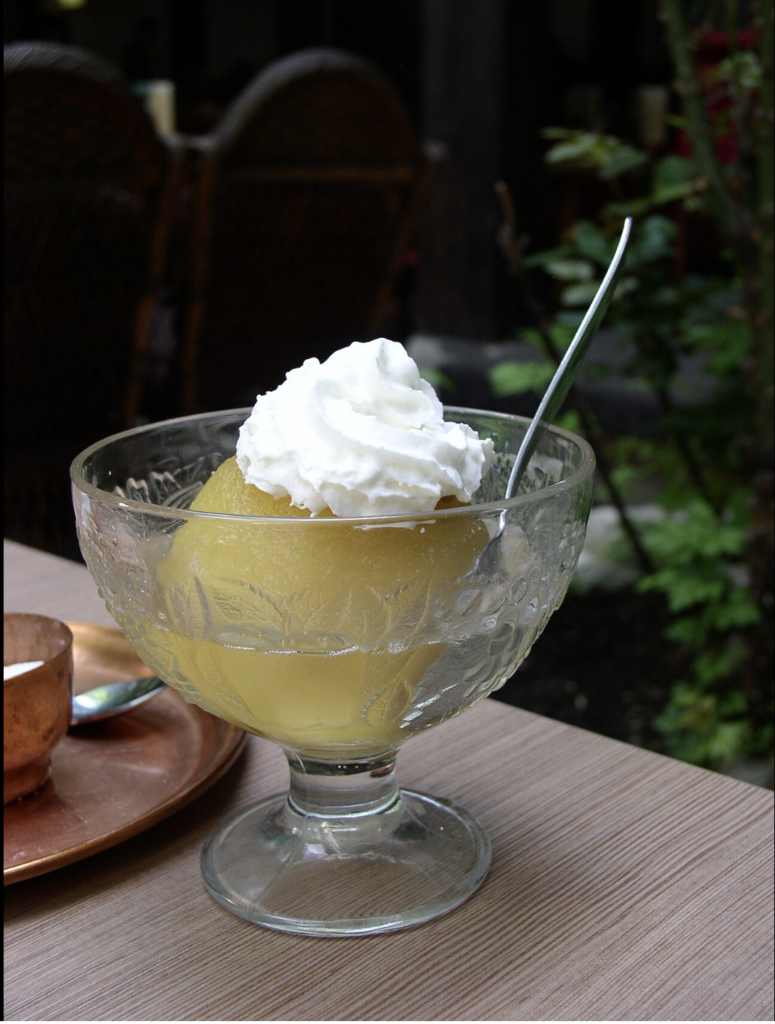
Tufahija is a poached apple stuffed with walnuts and topped with whipped cream. It has Ottoman influence and appears in many Bosnian dessert menus.
Best for: light dessert after a heavy meal
Where to try: traditional restaurants and dessert cafés
Klepe
Klepe are Bosnian dumplings, often filled with minced meat and served with sour cream, yogurt, or kajmak-style sauce.
They are less famous than ćevapi but absolutely worth trying because they show a different side of Bosnian comfort food.
Best for: sit-down dinner
Where to try: Dveri, Eno or traditional restaurants
Begova Čorba
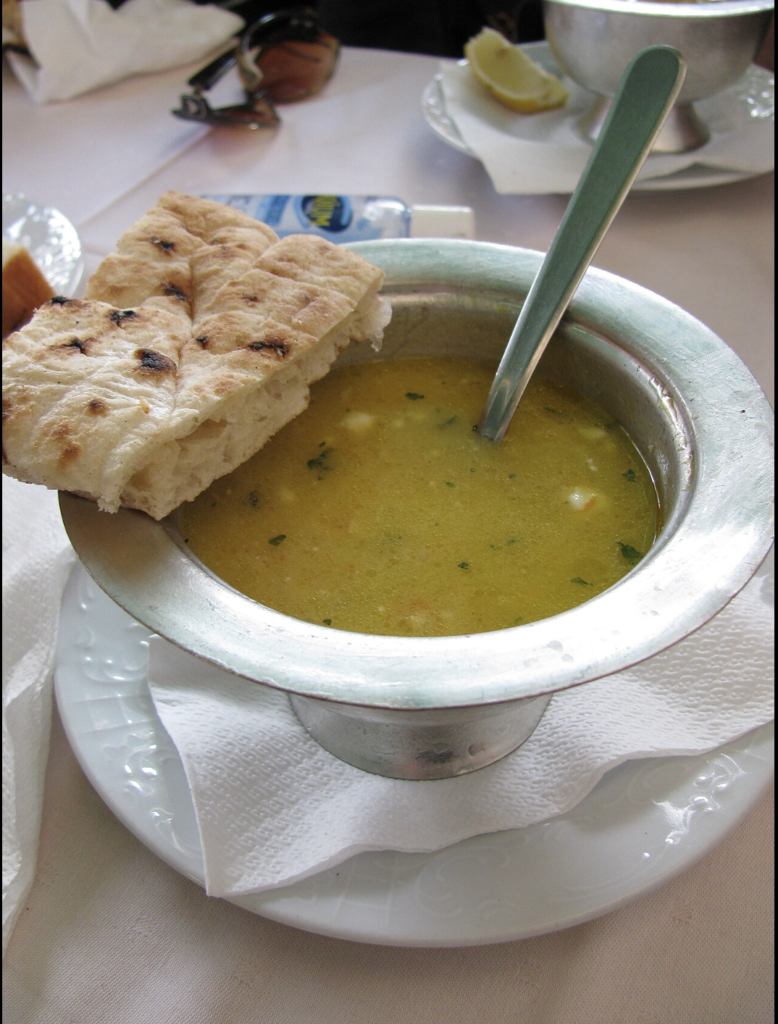
Begova čorba, or Bey’s soup, is a rich soup usually made with chicken, vegetables and a creamy/sour finish.
It is warming, filling, and ideal in winter or on a rainy day.
Best for: lunch starter or winter meal
Where to try: aščinicas and traditional restaurants
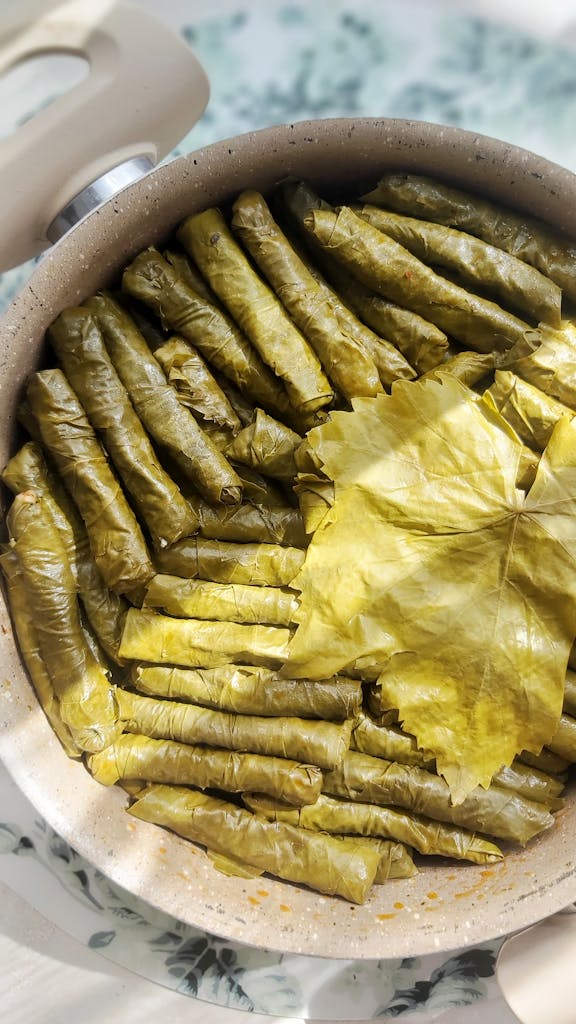
Sarma
Sarma is stuffed cabbage rolls, usually filled with meat and rice.
This is more home-style than tourist-style food and is one of the dishes that makes an aščinica or traditional restaurant worthwhile.
Best for: comfort food
Where to try: aščinicas, Minjo, Inat Kuća or traditional restaurants
Rakija
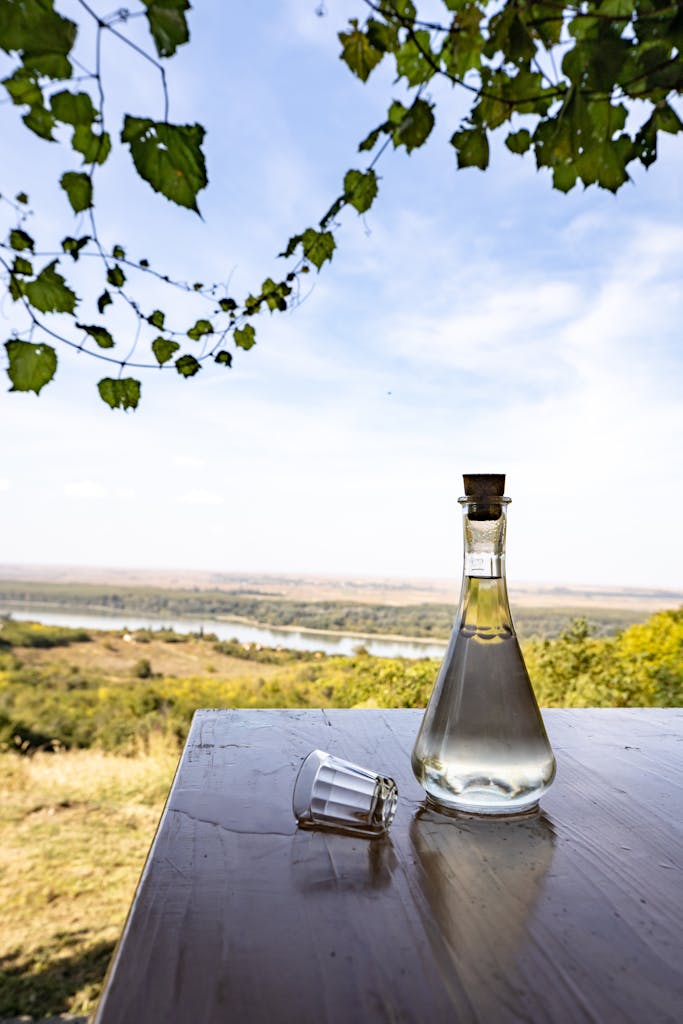
Rakija is fruit brandy, often made from plum, grape, pear or other fruit.
It is part of hospitality culture across the Balkans. You do not have to drink heavily, and you can politely decline, but if someone offers a small glass in a friendly setting, understand that it may be a gesture of welcome rather than a drinking challenge.
Best for: after dinner or kafana evenings
Tip: Drink slowly. It is stronger than it looks.
7. Vegetarian Food in Sarajevo
Sarajevo is a meat-heavy city, but vegetarians can still eat well if they know where to look.
The easiest vegetarian options are at buregdžinicas and aščinicas.
| Vegetarian Option | Where to Find It |
|---|---|
| Sirnica | Buregdžinicas |
| Zeljanica | Buregdžinicas |
| Krompirača | Buregdžinicas |
| Grah | Aščinicas, but confirm if meat-free |
| Sopska salad | Traditional restaurants |
| Grilled vegetables | Sit-down restaurants |
| Cheese and bread plates | Kafanas / restaurants |
| Falafel / Mediterranean food | Baščaršija and central Sarajevo |
Useful phrases:
Vegetarijanac sam. = I am vegetarian.
Bez mesa. = Without meat.
Ima li nešto bez mesa? = Is there something without meat?
Important note: bean stew, soups and vegetables may still be cooked with meat stock or pieces of meat. Ask if you are strict.
8. Sarajevo Food Itinerary
One-Day Sarajevo Food Route
| Time | What to Eat |
|---|---|
| Morning | Sirnica or burek at a buregdžinica |
| Mid-morning | Bosnian coffee in Baščaršija |
| Lunch | Five or seven ćevapi at Željo, Petica, Hodžić or Nune |
| Afternoon | Tufahija or baklava-style dessert |
| Dinner | Dveri, Inat Kuća or another traditional restaurant |
| Late | Rakija or live kafana if you want nightlife |
Two-Day Sarajevo Food Route
Day 1: Classics
| Time | Plan |
|---|---|
| Breakfast | Burek or sirnica |
| Coffee | Traditional Bosnian coffee |
| Lunch | Ćevapi in Baščaršija |
| Snack | Tufahija or lokum |
| Dinner | Dveri or Inat Kuća |
Day 2: Local and Deeper
| Time | Plan |
|---|---|
| Breakfast | Krompirača or zeljanica |
| Lunch | Aščinica Hadžibajrić or ASDŽ |
| Afternoon | Coffee and coppersmith street |
| Dinner | Eno, Minjo or a local traditional restaurant |
| Late | Kafana with rakija and music |
What Does Food Cost in Sarajevo?
Sarajevo is still very good value compared with most European capitals.
Use these as planning ranges, not fixed prices.
| Item | Typical Planning Range |
|---|---|
| Five-piece ćevapi | €3–€5 |
| Larger ćevapi portion | €5–€8 |
| Burek/pita portion | €2–€5 |
| Bosnian coffee | €1.50–€3 |
| Aščinica lunch | €4–€8 |
| Traditional restaurant lunch | €8–€15 |
| Sit-down dinner with drink | €15–€25 |
| Rakija | €2–€5 |
| Dessert | €2–€5 |
Prices rise in the most tourist-heavy old-town restaurants, but Sarajevo remains affordable if you eat at specialized places rather than broad tourist menus.
Common Food Mistakes in Sarajevo
Calling sirnica “cheese burek”
Locals will understand what you mean, but the correct word is sirnica.
Eating only ćevapi
Ćevapi are essential, but Sarajevo food is much broader: pita, stews, soups, coffee, desserts, and kafana meals.
Choosing restaurants with huge tourist menus
Specialized places are often better. Go to a ćevabdžinica for ćevapi, a buregdžinica for pita, and an aščinica for stews.
Rushing Bosnian coffee
Bosnian coffee is not a takeaway drink. Sit down and give it time.
Expecting vegetarian food to be obvious
Vegetarian options exist, but you need to ask and know the right dishes.
Overeating too early
Sarajevo food is filling. If you want to try multiple things, start with small portions.
Final Verdict: How to Eat Well in Sarajevo
The best way to eat in Sarajevo is to follow the city’s food structure.
Do not look for one restaurant that serves everything. That is not how Sarajevo works best.
Go to a ćevabdžinica for ćevapi.
Go to a buregdžinica for burek, sirnica, zeljanica and krompirača.
Go to an aščinica for stews, soups and local lunch dishes.
Go to a kafana or traditional restaurant when you want the meal to become a longer evening.
Drink Bosnian coffee slowly, and do not call it Turkish coffee unless you want a correction.
If you only have one day, eat ćevapi, burek or sirnica, Bosnian coffee, and one traditional restaurant meal.
If you have two or three days, add an aščinica, a kafana, tufahija, klepe, and a second ćevapi place so you can join the Sarajevo argument about which one is best.
That argument has been going on for decades.
You will not solve it.
But eating your way through it is one of the best things to do in Sarajevo.
FAQs About Sarajevo Food
Related articles: