
Three nights is the right minimum for a first visit. Two nights gives you Kalemegdan, Skadarlija, and a rough sense of the city. Three nights gives you enough to understand it.
Belgrade is one of the cheapest capitals in Europe – budget travelers average $23/day, mid-range $57/day. City transport has been completely free since January 1, 2025. Ćevapi cost 310-620 RSD for a five-piece portion. A kafana dinner with live music and rakija runs $25-44 per person. The Nikola Tesla Museum costs ~822 RSD and is cash – only in dinars – not euros, not cards.
This Belgrade 3 day itinerary covers what to do on each day, specific prices in RSD, the transport exceptions most guides miss, and the ATM warning that saves you several euros per withdrawal.
Prices confirmed from gotripzi, BudgetYourTrip, and itimaker, May 2026. Exchange rate: ~100 RSD = $1 USD = ~€0.85.
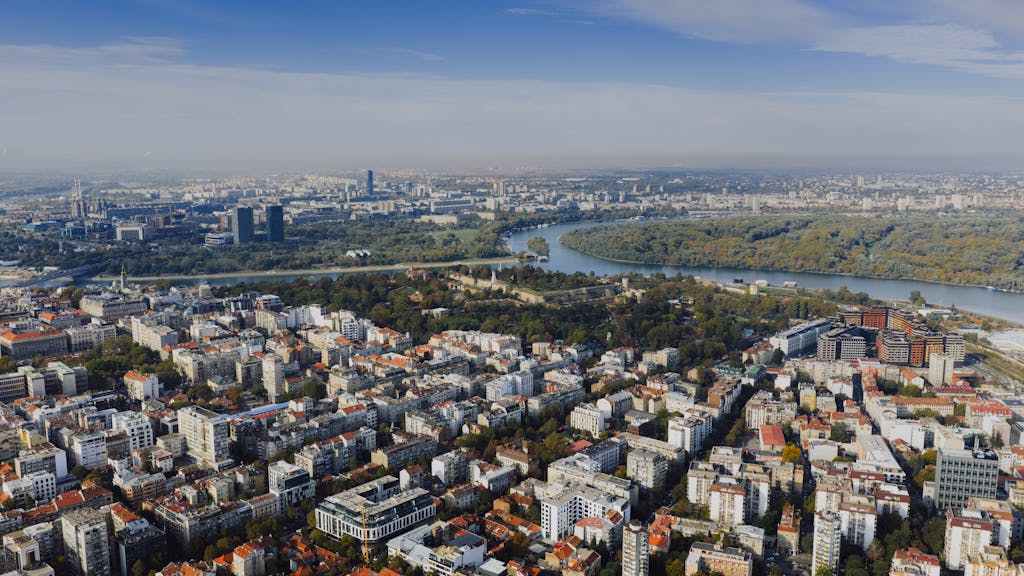
Is Belgrade Worth Visiting in 2026?
Belgrade is affordable, energetic, and distinctly itself. The food is very good. The nightlife is genuinely one of the best in Europe. Kalemegdan Fortress at sunset over the Sava and Danube confluence is one of the better free views on the continent. The kafana tradition — dinner with live folk music, rakija, grilled meat, and no particular rush — is something most travelers don’t encounter anywhere else.
It isn’t right for everyone. The city is not pretty in the Prague or Dubrovnik way. Some streets are rough, some areas are architecturally bleak, and the mix of Ottoman, Austro-Hungarian, Yugoslav, and modern can feel incoherent rather than layered until you’ve been there long enough to read it. Lonely Planet included Belgrade in its Best in Travel 2026 specifically for its nightlife — which is accurate but incomplete. The city is better when you combine fortress mornings, neighbourhood cafés, traditional food, and one late evening rather than treating it purely as a party destination.
Before You Arrive: Three Practical Things
ATMs: Avoid Euronet ATMs throughout the city — they charge approximately 587 RSD ($5.74+) per withdrawal in fees. Use bank-affiliated ATMs: Banca Intesa, Raiffeisen, and OTP have the lowest charges. These are easy to find near the main square and throughout Stari Grad.
SIM card: The MTS Super Turist SIM offers 50GB for approximately 1,761 RSD (~$17), available at Belgrade Nikola Tesla Airport on arrival. This is better value than any roaming option from a Western carrier.
Cash: Many kafanas, local bakeries, green markets, and the Nikola Tesla Museum operate cash-only. Withdraw RSD on arrival and keep some available throughout the trip.
Transport: What’s Free and What Isn’t
Since January 1, 2025, all standard city and suburban public transport in Belgrade has been free — buses, trams, trolleybuses, and the BG Train on all city and suburban lines. No card, no ticket, no cost.
The exceptions:
- Airport to city: The A1 airport minibus runs to Slavija Square and costs ~400 RSD (~$3.91), cash only. Regular city bus line 72 to Zeleni Venac is free but takes 45-60 minutes with many stops. Official airport taxi: fixed-price voucher desk at arrivals, ~2,348-3,053 RSD ($23-30) to the city centre.
- Express E-minibuses (E1, E2, E6, E9): ~200 RSD per ride — faster but not free.
- Bolt works reliably in Belgrade and gives fixed app pricing rather than negotiated taxi fares. Use it for late-night returns or when carrying luggage.
For everything else — moving between Stari Grad, Vračar, Savamala, Zemun, Ada Ciganlija — free trams and buses cover the whole city.
Day 1: Kalemegdan, Knez Mihailova, Skadarlija
Morning — Kalemegdan Fortress
Start at Kalemegdan. The fortress sits above the confluence of the Sava and Danube — the geographic reason Belgrade exists. Walk through the grounds slowly. The river viewpoint from the upper fortress shows both rivers simultaneously; the panorama makes the city’s strategic history legible in a way that reading about it doesn’t. Ružica Church, inside the fortress walls, has a chandelier made partly from spent bullet casings and swords — a specific detail that rewards the five-minute detour.
Entry to the fortress grounds and park is free. Allow 1.5-2 hours.
Midday — Knez Mihailova and lunch
Walk down Knez Mihailova, Belgrade’s main pedestrian street connecting the fortress to Republic Square. Good for orientation and coffee; the buildings are Austro-Hungarian 19th-century facades worth noticing if you’re paying attention. Don’t spend too long — it’s the connector, not the destination.
For lunch: burek from any bakery (~200 RSD, ~€1.70) or sit-down ćevapi at a local restaurant (310-900 RSD depending on portion). Avoid the most prominent tourist-facing menus near Republic Square — the prices are higher for the same dish.
Afternoon — Republic Square and Dorćol
The National Museum of Serbia is on Republic Square and recently completed a major renovation. Worth an hour if you want Serbian and Balkan archaeological and art history. Entry ~600-800 RSD.
Dorćol, just northeast of Stari Grad toward the Danube, has the better cafés for a mid-afternoon break — more local, quieter, and less positioned for foot traffic than the Knez Mihailova strip.
Evening — Skadarlija kafana dinner
Go to Skadarlija for dinner, not lunch. The cobblestone bohemian quarter comes alive after 8pm. The main kafanas — Tri Šešira (Three Hats) and Dva Jelena — serve ćevapi, pljeskavica, shopska salad, kajmak, and endless rakija. Tamburica musicians move between tables. It is touristy and it works anyway because the atmosphere is the point.
Budget: $25-44 per person with drinks and music. Book a table at weekends — they fill up.
Day 2: Vračar, Tesla Museum, Savamala
Morning — Temple of Saint Sava
The Temple of Saint Sava in Vračar is one of the largest Orthodox churches in the world. The exterior is imposing; the interior mosaics completed in recent years are exceptional — deep blues and golds covering the full dome, completed in the Byzantine tradition. Free to enter. Allow 45-60 minutes.
After the temple, stay in Vračar for coffee. The neighbourhood is residential, local, and 15-20% cheaper for food and drink than the tourist core. Kalenić market nearby has fresh produce and some of the better casual food in the area.
Late morning — Nikola Tesla Museum
The Nikola Tesla Museum in Vračar (Krunska 51) holds original patents, personal objects, and working demonstrations of Tesla’s technology — actual functioning Tesla coils and a demonstration of electricity transmission that visitors participate in.
Two critical practical notes:
- Entry ~822 RSD ($8.20). Cash only — Serbian dinars specifically. Cards and euros are not accepted. Visitors who arrive without RSD get turned away. Withdraw dinars before going.
- English-guided tours run at specific times. Check the official museum website for the current schedule before heading over — arriving between tours means waiting.
Allow 1.5 hours.
Afternoon — Choice based on season
If warm (May-September): Ada Ciganlija. This river island 4km southwest of the centre is where Belgrade residents spend summer. Swimming in the Sava (the water is cleaner than it sounds), cycling, café terraces along the shore, and long relaxed afternoons. Free tram connection from the city. Bring a towel in summer.
If cool or wet: Savamala, Belgrade’s former industrial waterfront district, now hosting creative spaces, galleries, street art murals, and the better cocktail bars. Walk from Stari Grad in 15-20 minutes or take the free tram.
Evening — Nightlife
Belgrade’s nightlife clusters around Savamala bars and the splavovi — floating river clubs moored along the Sava and Danube. The splavovi are the city’s signature experience: some play electronic music, some turbo-folk, some mixed international sets. They run strongest from late spring through summer and typically start late (after midnight).
For a less intense evening: bars in Savamala or Dorćol, most open until 2-3am.
Day 3: Novi Sad Day Trip or Slower Belgrade Day
Option A: Novi Sad day trip (recommended for first-time visitors)
Novi Sad is the second city of Serbia, 80km north, and the contrast with Belgrade is its value: smaller, more Austro-Hungarian in character, calmer, and easier to absorb in one day. The main draw is Petrovaradin Fortress — above the Danube, with views over the city and river, and a warren of underground tunnels (guided tours available).
Transport specifics: The SOKO high-speed train departs from Beograd Prokop station (not Belgrade Centar — this catches travelers out). Journey: ~36 minutes. Return fare: ~1,174-1,409 RSD (~$11-14). Check current schedules at srbvoz.rs before travel — timetables change seasonally.
From Novi Sad station, Petrovaradin Fortress is a 20-minute walk or short taxi across the river.
A well-paced Novi Sad day: arrive mid-morning, walk the city centre and Liberty Square, lunch near the old town, Petrovaradin Fortress in the afternoon, return to Belgrade for dinner. Add Sremski Karlovci (15 minutes by taxi from Novi Sad) for the Bermet wine tasting if you have extra hours — the dessert wine was served on the Titanic and is barely available outside this region.
Option B: Slower Belgrade day
Zemun — the riverside district with its own atmosphere and Gardoš Tower with Danube views — is 20 minutes by free tram from Stari Grad. Quieter than central Belgrade, good fish restaurants along the water, a genuine local pace.
Or: a second morning at Kalemegdan in different light, a longer afternoon in Vračar, the Museum of Contemporary Art in Novi Beograd (which sits near ArkaBarka’s floating house on the Danube), or simply a slower food day in a neighbourhood you haven’t walked yet.
How Much Does Belgrade Cost in 2026?
| Budget level | Daily spend | What it covers |
|---|---|---|
| Backpacker | ~$23/day | Hostel dorm, bakery meals, free sights |
| Budget | ~$35-45/day | Private room, local restaurants, one paid museum |
| Mid-range | ~$57/day | Hotel, sit-down meals, nightlife, day trip |
| Comfortable | ~$80-100/day | Good hotel, all dining out, splavovi |
Specific prices (May 2026):
| Item | RSD | USD/EUR approx |
|---|---|---|
| Burek from bakery | ~200 RSD | ~$2 / €1.70 |
| Ćevapi (5 pieces) | 310-620 RSD | $3-6 / €2.60-5 |
| Kafana dinner with drinks | 2,500-4,500 RSD | $25-44 / €21-37 |
| Cappuccino | ~261 RSD | ~$2.60 |
| Nikola Tesla Museum | ~822 RSD | ~$8.20 (cash, RSD only) |
| Kalemegdan Fortress | Free | Free |
| Temple of Saint Sava | Free | Free |
| SOKO train to Novi Sad (return) | 1,174-1,409 RSD | ~$11-14 |
| Airport A1 minibus | ~400 RSD | ~$3.91 (cash only) |
| Bolt within city | ~200-400 RSD | $2-4 typical |
Belgrade 3-Day Itinerary at a Glance
| Morning | Afternoon | Evening | |
|---|---|---|---|
| Day 1 | Kalemegdan Fortress | Knez Mihailova, National Museum, Dorćol | Kafana dinner, Skadarlija |
| Day 2 | Temple of Saint Sava, Vračar | Tesla Museum, Ada Ciganlija or Savamala | Bars or splavovi |
| Day 3 | Novi Sad (Prokop station) | Petrovaradin Fortress | Return Belgrade, final dinner |
FAQ
How many days do you need in Belgrade?
Three nights is the right minimum for a first visit to Belgrade. Two nights covers Kalemegdan Fortress, the old centre, and one evening in Skadarlija, but three nights lets you add Vračar, the Nikola Tesla Museum, and either a Novi Sad day trip or a slower local day.
Is public transport free in Belgrade?
Yes. Since January 1, 2025, all city and suburban buses, trams, trolleybuses, and the BG Train are free for everyone, including tourists. The Tourist Organization of Belgrade confirms that the free system covers city and suburban public transport. Airport minibuses, express E-minibuses, and taxis are separate paid services.
How much does Belgrade cost per day?
Budget travellers can manage Belgrade on around $23 per day with a hostel, cheap food, and free sights. Mid-range travellers average closer to $57 per day with a hotel, sit-down meals, and one day trip. A kafana dinner with drinks usually costs around $25-44 per person, while a burek from a bakery is around 200 RSD. Belgrade is meaningfully cheaper than Prague, Budapest, or most Western European capitals.
Is the Nikola Tesla Museum worth it?
Yes, and bring Serbian dinar cash. The Nikola Tesla Museum lists English guided-tour tickets at 800 RSD and states that payment is accepted only in local currency and cash, with no credit cards. Check the official visit page before arriving because English tour times are scheduled, and the working Tesla coil demonstrations are the highlight.
What is Belgrade famous for?
Belgrade is famous for Kalemegdan Fortress at the Sava-Danube confluence, kafana restaurants with live Serbian music, splavovi floating river clubs, the Nikola Tesla Museum, free public transport since 2025, and one of the strongest nightlife scenes in the Balkans.
Is Belgrade safe for tourists?
Yes, Belgrade is generally safe for tourists, but check the current US State Department Serbia travel advisory before travel. Standard city caution applies: use app-based or licensed taxis rather than unmarked taxis, use bank-affiliated ATMs, avoid Euronet where possible, and keep normal awareness of belongings in crowded areas.
What is the best way to get to Novi Sad from Belgrade?
The best way to get to Novi Sad from Belgrade is the SOKO fast train. It runs from Beograd Prokop station to Novi Sad and is much faster than the bus. Check current schedules and fares on the official Srbija Voz website or the Serbian Railways timetable before travelling.
Related articles:
- Best Budget Hotels in Belgrade 2026
- Best Day Trips from Belgrade 2026
- Novi Sad Travel Guide 2026
- Eastern Europe Summer Travel Deals 2026
- Best Cheap Hostels in Eastern Europe 2026
- Eastern Europe Solo Travel Guide 2026
Created by WanderGuide Travel Desk
Practical Belgrade travel planning, built for first-time visitors.
This Belgrade guide is built using official transport sources, route research, hotel-area checks, cost comparisons and practical itinerary planning for independent travellers.
Read our editorial approach