
Eastern Europe travel guide 2026 — if you are planning where to go, how much to budget, and which cities are still worth visiting, this guide gives you a practical route through the best-value destinations in the region.
For years, the classic route was simple: Prague, Budapest, Krakow, maybe Vienna if you were stretching the definition of Eastern Europe. That route still works. Those cities are beautiful, easy to travel, and full of history. But they are no longer the clear budget secret they used to be.
The more interesting story is happening slightly further south and east.
Sarajevo is becoming one of Europe’s best-value city breaks. Sofia is still one of the cheapest capital cities in the European Union. Tirana has moved from “where is that?” to one of the most talked-about cities in the Balkans. Krakow still gives excellent value if you plan carefully. Budapest and Prague remain worth visiting, but you need to be smarter about where you stay, when you go, and how much you expect to spend.
According to KAYAK’s 2026 travel trends, seven of the top ten trending international destinations for 2026 are in Eastern Europe, including Prague, Sofia, and Krakow. KAYAK also reported that airfare to Sarajevo is down 36%, making it one of the strongest value opportunities in Europe for 2026.
So if you are planning an Eastern Europe trip in 2026, the question is not just “Where should I go?” It is “Where still feels worth the money?”
This guide gives you the honest answer.
Where Should You Go in Eastern Europe in 2026?
This Eastern Europe travel guide 2026 is built for travelers who want realistic costs, practical routes, and honest city recommendations instead of a generic list of famous places.
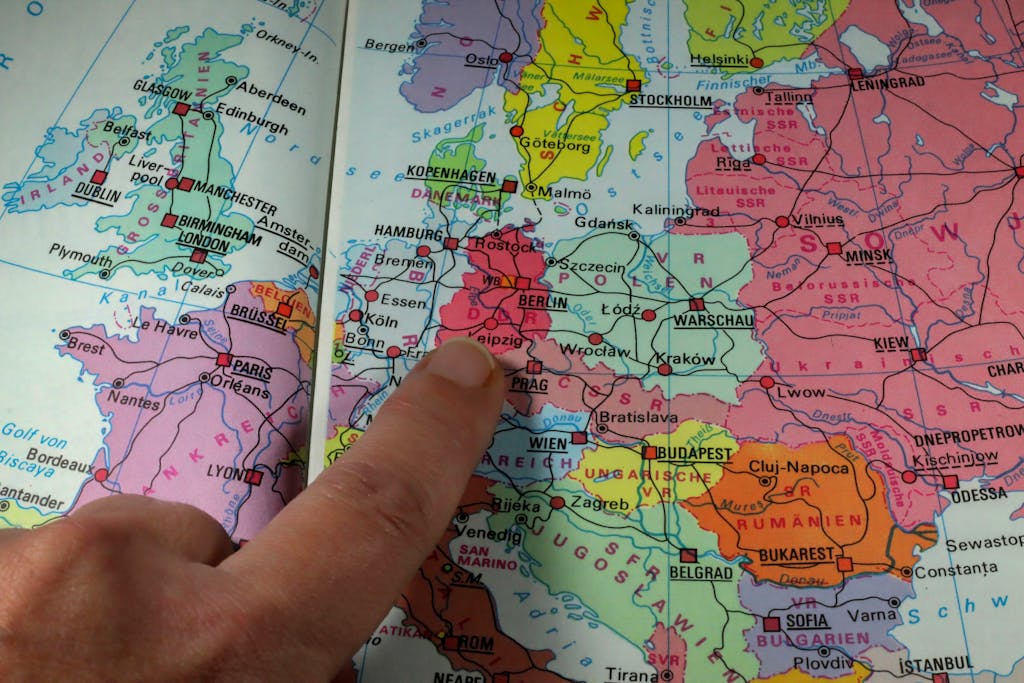
For the best balance of price, culture, food, and travel experience, start with Sarajevo, Sofia, Tirana, Krakow, Budapest, and Prague.
If your priority is budget, choose Sarajevo, Sofia, Tirana, and Albania.
If your priority is classic architecture and easy first-time travel, choose Prague, Budapest, and Krakow.
If your priority is something that still feels less overdone, choose Sarajevo, Tirana, Mostar, Berat, and Sofia.
A good first Eastern Europe route for 2026 is:
Prague → Krakow → Budapest → Belgrade → Sarajevo → Mostar → Tirana
That route gives you famous cities, cheaper Balkan stops, good food, history, and a mix of train and bus connections.
Why Eastern Europe Is One of the Best Travel Regions for 2026
Eastern Europe is not one single travel experience. That is what makes it so useful.
You can have a polished weekend in Prague, a thermal-bath break in Budapest, a food-heavy trip in Krakow, a low-cost city break in Sofia, a deeply emotional few days in Sarajevo, and then finish on the Albanian coast without leaving the region.
The best part is that Eastern Europe still gives you strong value if you avoid the most expensive pockets and travel slightly outside peak season.
In Western Europe, it is increasingly difficult to find central accommodation, good meals, local transport, and museum visits at a reasonable price. In parts of Eastern Europe and the Balkans, it is still possible.
But the region is changing quickly. Prague and Budapest are no longer cheap in the old sense. Krakow has become more popular. Albania is no longer a secret. Sarajevo is getting more attention. That does not mean you are too late. It just means 2026 is a good year to go before prices climb further.
Best Cities to Visit in Eastern Europe in 2026
In this Eastern Europe travel guide 2026, the cities below are chosen for a mix of value, travel experience, safety, food, culture, and ease of planning.
Sarajevo, Bosnia and Herzegovina
Sarajevo is one of the most compelling cities in Europe right now.
It sits between Ottoman, Austro-Hungarian, Yugoslav, and modern Balkan history in a way that feels completely different from the usual European capital experience. The old bazaar, Baščaršija, is atmospheric without feeling fake. The hills around the city give it a dramatic setting. The food is simple, filling, and affordable. The history is heavy, but important.
Sarajevo is not glossy, and that is part of the appeal. It feels lived in. It feels personal. It feels like a city you experience rather than just photograph.
For a deeper breakdown, read the full guide: Is Sarajevo Worth Visiting in 2026? Honest Travel Guide, Costs & Safety
Best for: history, food, budget travel, meaningful city breaks
Suggested stay: 2–3 days
Daily budget: €35–€55 for budget travelers
Useful official source: Visit Sarajevo
Sofia, Bulgaria
Sofia is one of the most underrated capitals in Europe.
It has Roman ruins in the city center, Orthodox churches, affordable restaurants, good cafés, easy public transport, and mountains close enough for a same-day escape. It does not have the instant postcard effect of Prague or Budapest, but it grows on you.
The biggest reason Sofia works in 2026 is value. It is still affordable for food, accommodation, transport, and everyday travel costs. It is also in the EU, which makes it easier for many travelers than some Balkan routes.
For more detail, read: Sofia Bulgaria Travel Guide 2026: Is Europe’s Cheapest Capital Worth a Visit?
Best for: cheap city breaks, cafés, history, easy EU travel
Suggested stay: 2–3 days
Daily budget: €35–€55
Useful official source: Visit Sofia
Tirana, Albania
Tirana is the city that surprises people.
It is colorful, energetic, chaotic in places, and much more interesting than many travelers expect. The Blloku district has cafés, bars, and restaurants. Skanderbeg Square gives you the city’s central orientation point. Bunk’Art and other museums help explain Albania’s difficult communist history. Mount Dajti gives you an easy nature escape.
Tirana also works well because it is a gateway to the rest of Albania. From here, you can move toward Berat, Gjirokastër, the Albanian Alps, or the Riviera.
Read the full Tirana guide here: Tirana, Albania: The Colourful Capital No One Talks About
Best for: nightlife, cafés, budget travel, Albania itineraries
Suggested stay: 2 days
Daily budget: €30–€50
Useful official source: Visit Tirana
Krakow, Poland
Krakow is no longer the ultra-cheap city break it used to be, but it is still one of the best-value historic cities in Europe.
The old town is walkable, the main square is beautiful, Kazimierz has strong food and nightlife, and day trips such as Wieliczka Salt Mine and Auschwitz-Birkenau are easy to arrange. It is also one of the easiest Eastern European cities for first-time travelers because transport, tours, and accommodation are straightforward.
Krakow is best when you avoid the most tourist-facing restaurants and stay slightly outside the most expensive streets.
Best for: first-time travelers, history, food, walkability
Suggested stay: 3 days
Daily budget: €50–€80
Useful official source: Kraków Travel
Budapest, Hungary
Budapest is still one of Europe’s great city breaks, but it is not the bargain it once was.
The Danube views, ruin bars, thermal baths, Parliament building, cafés, and architecture are still excellent. For first-time visitors to Eastern Europe, Budapest is easy to recommend. But in 2026, you should plan it more carefully. Central hotels and short-term rentals can be expensive, and the most popular areas are no longer especially cheap.
Budapest is worth visiting if you want a classic city-break experience with strong nightlife and beautiful architecture. Just do not expect old-school backpacker prices in the tourist center.
Best for: architecture, nightlife, thermal baths, first-time Eastern Europe trips
Suggested stay: 3 days
Daily budget: €60–€100
Useful official source: Budapest Info
Prague, Czech Republic
Prague is famous for a reason.
The old town, Charles Bridge, castle area, beer culture, and architecture are genuinely beautiful. It is one of the easiest cities in Europe to enjoy as a first-time visitor. The problem is not that Prague is overrated. The problem is that the most famous parts are crowded and priced accordingly.
In 2026, Prague works best if you treat the old town as something to see, not somewhere to spend all your time. Stay slightly outside the tourist core, eat away from the main square, and explore neighborhoods beyond the center.
Best for: first-time Europe travelers, architecture, beer, classic city breaks
Suggested stay: 2–3 days
Daily budget: €60–€110
Useful official source: Prague City Tourism
Best Eastern Europe Cities by Travel Style
| Travel Style | Best Cities |
|---|---|
| Cheapest city breaks | Sofia, Sarajevo, Tirana |
| First-time Eastern Europe trip | Prague, Budapest, Krakow |
| Food and café culture | Sarajevo, Krakow, Belgrade, Tirana |
| Nightlife | Budapest, Belgrade, Tirana |
| History | Sarajevo, Krakow, Prague, Budapest |
| Best value in 2026 | Sarajevo, Sofia, Tirana |
| Best for slow travel | Sarajevo, Krakow, Berat, Mostar |
| Best for train travel | Prague, Krakow, Budapest, Ljubljana |
| Best for bus-based Balkan travel | Sarajevo, Mostar, Tirana, Sofia, Belgrade |
How Much Does Eastern Europe Cost in 2026?
A useful Eastern Europe travel guide 2026 should be honest about costs: the region is still cheaper than Western Europe, but Prague, Budapest, and Krakow are no longer extremely cheap.
The Balkans remain the best-value part of the region. Prague, Budapest, and Krakow are more expensive than they used to be, especially for central accommodation and tourist-facing restaurants.
Here is a realistic 2026 budget range:
| Travel Style | Balkans Budget | Prague / Budapest / Krakow Budget |
|---|---|---|
| Budget traveler | €35–€55/day | €50–€70/day |
| Mid-range traveler | €65–€95/day | €90–€130/day |
| Comfort traveler | €110–€150/day | €140–€190/day |
What affects your budget most?
Accommodation is the biggest difference. A simple meal or coffee may still feel affordable in many Eastern European cities, but hotel and apartment prices in Prague, Budapest, and Krakow can rise quickly in the center.
Transport is usually reasonable, especially if you use buses, trains, and local transit. Food remains good value if you avoid main-square restaurants and eat where locals eat.
A two-week budget trip across Eastern Europe can still be done for around €700–€1,000 on the ground, excluding international flights, if you choose Balkan-heavy routes and stay in hostels, guesthouses, or budget apartments.
Cheapest Countries in Eastern Europe for 2026
If budget is your main priority, focus on these:
| Country | Why It’s Good Value |
|---|---|
| Albania | Cheap food, guesthouses, buses, and coastal options outside peak summer |
| Bosnia and Herzegovina | Sarajevo and Mostar offer excellent value for food, history, and stays |
| Bulgaria | Sofia is one of the cheapest EU capitals |
| North Macedonia | Skopje and Ohrid can be very affordable |
| Serbia | Belgrade offers nightlife and food at lower prices than many EU capitals |
| Romania | Good value outside the most touristy Transylvania routes |
Albania and Bosnia are especially strong if you want a trip that feels different from the usual Central Europe route.
For a country-specific budget guide, read: Albania Travel Guide 2026: The Adriatic’s Most Underrated Destination
Best Time to Visit Eastern Europe
The best time to visit Eastern Europe is May, June, September, and early October.
These months give you the best mix of decent weather, lower prices, and fewer crowds. July and August can still be fun, but they are hotter, busier, and more expensive — especially in Prague, Budapest, Krakow, Croatia, and coastal Albania.
| Month | Travel Experience |
|---|---|
| April | Good for cities, but weather can be mixed |
| May | One of the best months overall |
| June | Warm, lively, good before peak prices |
| July | Hot, crowded, expensive in popular areas |
| August | Peak travel season, especially around festivals and coasts |
| September | Excellent weather and better prices |
| October | Good for cities, cooler evenings |
| November–March | Cheapest period, but colder and less reliable weather |
Best month overall
If you want one clear answer, choose May or September.
May gives you spring weather, lower prices, and fewer crowds. September gives you warm days, better light, and a more relaxed feeling after the summer rush.
For summer-specific planning, read: Eastern Europe Summer 2026: Where the Real Deals Are and What to Book Now
Should You Travel Eastern Europe by Train or Bus?
Use trains where they work well. Use buses where they do not.
That is the simplest rule.
Train travel is strongest in Central Europe: Czech Republic, Poland, Hungary, Slovakia, Austria, and Slovenia. Once you move deeper into the Balkans, buses often become more practical.
| Route Type | Best Transport |
|---|---|
| Prague to Krakow | Train or bus |
| Prague to Budapest | Train |
| Budapest to Belgrade | Train or bus, depending on current route availability |
| Belgrade to Sarajevo | Bus |
| Sarajevo to Mostar | Train or bus |
| Sofia to Skopje | Bus |
| Tirana to other Albanian cities | Bus or furgon |
| Balkan multi-country route | Mostly bus |
Budget airlines like Wizz Air and Ryanair can help for longer jumps, but luggage fees can change the real price quickly.
For more route details, read: How to Travel Eastern Europe by Train in 2026: Routes, Passes and Real Costs
Useful transport planning links:
Best Eastern Europe Itineraries for 2026
The itineraries in this Eastern Europe travel guide 2026 are designed to avoid rushed travel and combine famous cities with better-value Balkan stops.
7-Day First-Time Route
If this is your first Eastern Europe trip and you want an easy route:
| Day | City |
|---|---|
| 1–2 | Prague |
| 3–4 | Krakow |
| 5–7 | Budapest |
This is the classic route. It is not the cheapest, but it is easy, beautiful, and beginner-friendly.
10-Day Better-Value Route
If you want better prices and fewer crowds:
| Day | City |
|---|---|
| 1–2 | Budapest |
| 3–4 | Belgrade |
| 5–7 | Sarajevo |
| 8 | Mostar |
| 9–10 | Dubrovnik or Tirana |
This route gives you more Balkan character and better value than a Prague-only style trip.
14-Day Best-Value Route
For the strongest 2026 value:
| Day | City |
|---|---|
| 1–2 | Sofia |
| 3–4 | Skopje or Ohrid |
| 5–7 | Tirana |
| 8–10 | Berat or Gjirokastër |
| 11–12 | Sarajevo |
| 13–14 | Mostar |
This route is less polished than Central Europe, but it is cheaper, more surprising, and often more memorable.
What to Book Before You Go
You do not need to over-plan every day in Eastern Europe, but a few things are worth booking early.
Book early:
| What to Book | When |
|---|---|
| Flights | As soon as you see a good fare |
| Central hotels in Prague, Budapest, Krakow | 1–2 months ahead |
| Albania Riviera accommodation in July/August | 6–8 weeks ahead |
| Sarajevo during Sarajevo Film Festival | Early |
| Popular day tours | 1–2 weeks ahead |
| Long-distance buses in peak season | A few days ahead |
You can stay more flexible in cheaper Balkan cities, especially outside peak summer. But for Prague, Budapest, Krakow, and coastal Albania, early booking usually saves money.
Is Eastern Europe Safe to Travel in 2026?
Yes, the destinations covered in this guide are generally safe for tourists. Normal city precautions apply: watch your bag in crowded areas, avoid flashing expensive gear, use reliable taxis or transport, and stay aware late at night.
The main safety differences are local rather than regional.
In Sarajevo and parts of Bosnia and Herzegovina, rural landmine risks still exist in some isolated areas, so travelers should stay on marked routes and avoid wandering into abandoned or rural terrain without local guidance. The UK government’s Bosnia and Herzegovina travel advice highlights this risk for less populated areas.
In large nightlife cities like Budapest, Belgrade, and Prague, the usual issues are overcharging, pickpocketing in crowded places, and tourist-trap bars or taxis.
For most travelers, Eastern Europe is no more difficult than Western Europe. It just requires common sense and a little route planning.
Visa Rules for Eastern Europe
Visa rules vary because Eastern Europe includes both Schengen and non-Schengen countries.
| Country | Schengen / EU Status |
|---|---|
| Czech Republic | Schengen, EU |
| Poland | Schengen, EU |
| Hungary | Schengen, EU |
| Bulgaria | EU; Schengen rules apply for air/sea borders and evolving land-border arrangements |
| Romania | EU; Schengen arrangements evolving |
| Albania | Non-EU, non-Schengen |
| Bosnia and Herzegovina | Non-EU, non-Schengen |
| Serbia | Non-EU, non-Schengen |
| North Macedonia | Non-EU, non-Schengen |
For many US, UK, Canadian, Australian, and EU travelers, most of these countries are easy to enter for short tourist stays. But always check official entry rules before booking because visa and border arrangements can change.
Useful official source: European Union travel and entry information
Common Mistakes to Avoid
Trying to see too many cities
This is the biggest mistake. Eastern Europe looks compact on a map, but overland travel can be slow, especially in the Balkans.
Four cities in two weeks is better than seven cities in two weeks.
Assuming everywhere is cheap
Sarajevo and Sofia are still good value. Prague and Budapest are not cheap in the same way anymore. Your budget depends heavily on the city.
Staying in the wrong area
A badly located hotel can waste money and time. In smaller cities, stay central. In bigger cities, stay near public transport rather than chasing the absolute cheapest room.
Visiting only famous cities
Prague and Budapest are beautiful, but Sarajevo, Sofia, Tirana, Mostar, Berat, Ohrid, and Belgrade often give you more value and a stronger sense of discovery.
Going in July without a reason
July can be hot, crowded, and expensive. May, June, September, and early October are usually better.
Final Verdict: Is Eastern Europe Worth Visiting in 2026?
The main takeaway from this Eastern Europe travel guide 2026 is simple: the best trips mix classic cities with less expensive, more characterful destinations.
Prague, Budapest, and Krakow are still excellent, especially for first-time travelers. But the real value is moving further into the Balkans: Sarajevo, Sofia, Tirana, Mostar, Berat, and other cities where prices are lower and the travel experience still feels less packaged.
If you want beauty, history, good food, lower costs, and cities with real character, Eastern Europe is one of the best regions to visit in 2026.
The smart move is simple: travel in May, June, September, or early October; mix famous cities with cheaper Balkan stops; use trains where they work and buses where they do not; and do not rush.
Eastern Europe rewards travelers who slow down.
FAQs About Eastern Europe Travel in 2026
Related articles:
- Is Sarajevo Worth Visiting in 2026? (Honest Review)
- Albania on a Budget: How to Travel the Adriatic’s Best-Kept Secret for Under $50/Day
- Sofia Bulgaria Travel Guide: Is Europe’s Cheapest Capital Worth a Visit?
- How to Travel Eastern Europe by Train in 2026 (Routes, Passes & Real Costs)
- Eastern Europe in Summer 2026: Where the Deals Are and What to Book Now