
Is Eastern Europe safe to visit in 2026? For the main tourist routes, yes — but the answer depends on which country you mean.
Eastern Europe is not one single risk category. Slovenia, Croatia, Poland, Czechia, Hungary, Serbia, Bosnia and Herzegovina, Albania, Bulgaria and Romania are very different travel environments. Most major tourist cities in these countries are straightforward for normal travelers. Prague, Kraków, Budapest, Ljubljana, Zagreb, Belgrade, Sarajevo, Sofia and Tirana are not “dangerous” cities in the way many first-time visitors imagine.
The real safety picture is more practical and specific.
For most travelers, the main risks are not violent crime. They are pickpocketing in crowded tourist areas, taxi overcharging, careless driving, nightlife-related issues, poor pedestrian behavior, and occasional scams around money exchange or tourist transport.
There are also a few country-specific risks that should be taken seriously: landmines in rural off-road areas of Bosnia and Herzegovina, road safety in Albania, and current government warnings against travel to Ukraine and Belarus. The UK Foreign Office, for example, explains that Bosnia’s landmine risk is mainly in less populated and rural areas, while populated areas and major routes are largely clear.
So the honest answer is simple:
Yes, most of Eastern Europe is safe to visit in 2026 if you are following normal tourist routes. But do not treat the whole region as one destination, and do not ignore country-specific advice.
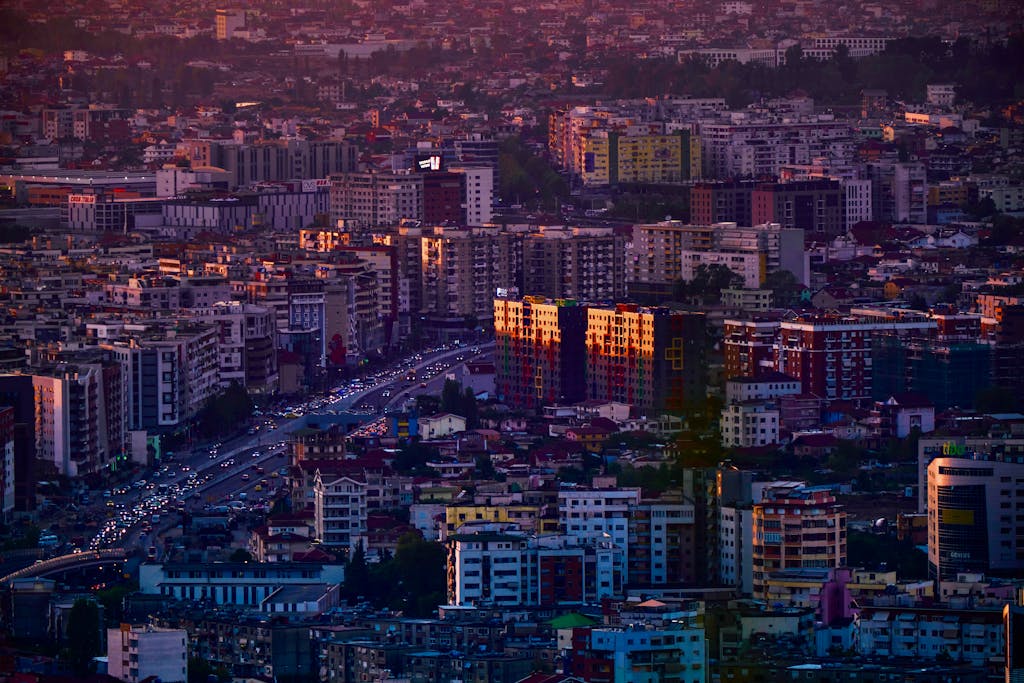
Quick Safety Summary by Country
| Country | Tourist Safety View in 2026 | Main Practical Risk |
|---|---|---|
| Slovenia | Very safe and easy | Usual petty theft in tourist areas |
| Croatia | Safe, polished and tourist-friendly | Pickpockets, summer crowds, coastal prices |
| Poland | Safe and straightforward | Pickpockets, nightlife issues in Kraków/Warsaw |
| Czechia | Safe but tourist-heavy | Pickpockets, scams in Prague tourist zones |
| Hungary | Safe for most visitors | Taxi overcharging, nightlife scams, pickpockets |
| Serbia | Generally safe for tourists | Taxi issues, nightlife caution, protests/sports crowds |
| Bosnia and Herzegovina | Safe on normal tourist routes | Rural landmine risk off marked roads/trails |
| Albania | Safe for mainstream travel | Road safety, taxis, money exchange caution |
| Bulgaria | Safe and practical | Pickpockets, car theft, transport hubs |
| Romania | Generally safe | Taxi scams, pickpockets, traffic |
| Ukraine | Avoid most travel | Active war and official travel warnings |
| Belarus | Avoid non-essential/all travel depending on your government advice | Political/security risk, arbitrary enforcement |
How to Read Safety Data for Eastern Europe
Safety data is useful, but it should be read carefully.
Numbeo’s Crime Index is helpful because it shows how residents and users perceive crime and safety by country. In its Europe table, several Balkan destinations appear with lower perceived crime scores than some Western European countries that travelers usually consider normal tourist destinations. You can check the latest table on the Numbeo Europe Crime Index.
But Numbeo is not official police crime data. It is based on user-submitted perception data, so it should not be used alone.
For a broader structural view, the Global Peace Index is also useful because it looks at conflict, militarization and societal safety across countries. The Global Peace Index is produced by the Institute for Economics & Peace and ranks 163 independent states and territories by peacefulness.
For practical travel decisions, combine those indexes with current government travel advice from sources such as GOV.UK Foreign Travel Advice and the U.S. State Department Travel Advisories. GOV.UK pages are useful because they are country-specific and updated when advice changes, even if the original page publication date appears old in search results.
The best safety judgment comes from combining four things:
| Source | Why It Matters |
|---|---|
| Government travel advice | Current official warnings and entry/safety guidance |
| Crime and peace indexes | Broad comparison, but not perfect |
| Recent traveler reports | Useful for practical issues like taxis, scams and nightlife |
| Your exact route | Capital cities, beaches, mountains and rural roads have different risk profiles |
Serbia and Belgrade: Safe for Most Travelers, But Use Normal City Awareness
Serbia is generally safe for tourists on normal routes such as Belgrade and Novi Sad.
Belgrade has a lively nightlife scene, late-opening restaurants, cafés and river clubs, and most visitors find the central areas comfortable with normal city precautions. The main issues for travelers are taxi overcharging, nightlife awareness, pickpocketing in busy areas, and avoiding large sports crowds or protests.
For current official advice, check the UK Serbia travel advice and the U.S. Serbia travel advisory. GOV.UK’s Serbia page was updated in 2026, and the U.S. page gives the current advisory framework for American travelers.
Practical safety notes for Serbia
| Risk | What to Do |
|---|---|
| Airport taxi overcharging | Use official taxi channels or ride apps where available |
| Nightlife | Watch drinks, avoid arguments, leave if a club feels aggressive |
| Football/basketball crowds | Avoid large fan groups and politically charged gatherings |
| Pickpocketing | Keep bags zipped in busy streets and public transport |
| Protests | Avoid demonstrations and follow local updates |
For most travelers, Belgrade’s risk profile is similar to other large European cities: not dangerous, but not a place to be careless late at night after drinking.
Read more in our Belgrade Travel Guide 2026.
Bosnia and Herzegovina: Safe in Cities, Be Precise About Landmines
Bosnia and Herzegovina is safe for standard tourist travel in Sarajevo, Mostar, Jajce, Banja Luka and normal guided routes.
Street crime in Sarajevo is generally low compared with many larger European cities. The old town, Baščaršija and central areas are walkable and comfortable for most visitors. Solo travelers often describe Sarajevo as one of the warmer and easier cities in the Balkans.
The one safety issue that needs accurate framing is landmines and unexploded ordnance from the 1992–1995 war. This is not a general city risk. It mainly applies to less populated rural areas, abandoned areas and off-road terrain.
The UK Bosnia and Herzegovina travel advice explains that highly populated areas and major routes are largely clear, but there is still risk in less populated and rural areas. Australia’s Smartraveller Bosnia and Herzegovina advice gives similar guidance: stay on main roads and avoid isolated mountain areas.
That does not mean Sarajevo or Mostar are unsafe. It means you should stay on marked roads, marked hiking trails and guided routes when outside towns.
Practical safety notes for Bosnia and Herzegovina
| Risk | What to Do |
|---|---|
| Landmines in rural areas | Stay on roads, paved areas and marked trails |
| Hiking | Use marked routes or local guides |
| Old-town petty theft | Keep normal bag awareness |
| Winter mountain travel | Check weather and road conditions |
| Transport | Use reputable bus companies or arranged transfers |
The landmine warning is real, but it is geographically specific and manageable.
Read more in our Sarajevo travel guide.
Albania: Safer Than Its Old Reputation, But Road Safety Matters
Albania’s safety reputation has not fully caught up with the reality of current tourism.
Tirana, Berat, Gjirokastër, Sarandë, Ksamil, Himarë and the main tourist routes are generally comfortable for normal travelers. Violent crime against tourists is uncommon. Most visitors are more likely to face traffic, taxi confusion, poor pedestrian behavior, or money exchange issues than serious personal-safety problems.
For current official advice, check the UK Albania travel advice and the U.S. Albania travel advisory. The UK page says reports of crime targeting foreigners are rare, while still noting that crime and violence exist in some areas.
For most tourists, the practical advice is simple: use licensed taxis or ride apps where available, cross roads carefully, use banks or licensed exchange offices, and plan transport before heading into remote areas.
Practical safety notes for Albania
| Risk | What to Do |
|---|---|
| Road safety | Be careful crossing roads; drive defensively |
| Taxis | Use ride apps or agree prices clearly |
| Money exchange | Use banks or licensed exchange offices |
| Remote areas | Plan transport and emergency access carefully |
| Beach areas | Watch valuables in crowded summer spots |
The most common issue visitors notice is not crime; it is traffic and infrastructure that can feel more chaotic than in Western Europe.
Read more in our Albania Travel Guide 2026.
Bulgaria and Sofia: Safe, Practical and Easy for First-Time Visitors
Bulgaria is one of the more straightforward countries in Eastern Europe for travelers.
Sofia, Plovdiv, Rila Monastery and the Black Sea coast are generally safe with normal precautions. The main risks are familiar European city issues: pickpocketing, bag theft, taxi overcharging and car break-ins in some areas.
For current official guidance, check the UK Bulgaria travel advice. The UK safety guidance advises sensible precautions against street crime, especially in larger cities, late at night, tourist areas, public transport, transport hubs and airports.
Bulgaria is therefore not a special-risk destination for most visitors. It is a normal European travel destination where common-sense city precautions apply.
Practical safety notes for Bulgaria
| Risk | What to Do |
|---|---|
| Pickpockets | Be careful on public transport and near tourist sights |
| Taxi overcharging | Use apps or official taxi companies |
| Car theft/break-ins | Do not leave valuables visible |
| Nightlife | Avoid poorly lit empty streets after drinking |
| Mountain day trips | Check weather and transport back |
Read more in our Sofia Bulgaria Travel Guide 2026.
Poland and Kraków: Safe, But Tourist Crowds Bring Petty Theft
Poland is one of the easiest countries in Eastern Europe for first-time travelers.
Kraków, Warsaw, Gdańsk and Wrocław are safe, well-connected and tourist-friendly. The main safety issues are the same ones you find in most popular European cities: pickpockets in crowded areas, nightlife problems, tourist-trap restaurants and occasional taxi overcharging.
Kraków is especially easy to visit, but the old town can get crowded, and weekend nightlife can be messy. The risk is not serious violence; it is more likely to be losing a phone, paying too much for a taxi, or walking into overpriced tourist nightlife.
Practical safety notes for Poland
| Risk | What to Do |
|---|---|
| Pickpockets | Watch bags around stations and old-town crowds |
| Nightlife | Avoid overly aggressive bar promoters |
| Taxis | Use apps or official stands |
| Auschwitz day trip | Book through official channels where possible |
| Winter travel | Plan for cold, ice and delays |
Read more in our Kraków Travel Guide 2026.
Czechia and Prague: Safe, But Tourist Scams Are Common
Czechia is safe for travelers, and Prague is one of Europe’s most visited cities.
The issue is not danger. The issue is tourist density. Prague’s old town, Charles Bridge, Astronomical Clock area and main station attract pickpockets, overpriced exchange offices, tourist-trap restaurants and occasional taxi scams.
If you use normal city precautions, Prague is easy. The main mistake is confusing “safe” with “impossible to be scammed.”
Practical safety notes for Czechia
| Risk | What to Do |
|---|---|
| Pickpockets | Be careful around Charles Bridge and Old Town Square |
| Currency exchange | Use ATMs or reputable exchanges; avoid bad-rate booths |
| Restaurants | Check menu prices before ordering |
| Taxis | Use apps or official companies |
| Nightlife | Watch drinks and avoid tourist-bar scams |
Hungary and Budapest: Safe, But Watch Nightlife and Taxi Issues
Hungary is generally safe for tourists, and Budapest is a comfortable city for most visitors.
The practical risks are concentrated around nightlife, tourist restaurants, taxis and busy transport zones. Ruin bars, clubs and late-night areas are fun, but you should use normal awareness with drinks, phones and late-night transport.
Budapest is not dangerous, but it is a city where tourists can overpay quickly if they are careless.
Practical safety notes for Hungary
| Risk | What to Do |
|---|---|
| Taxi overcharging | Use apps or official taxis |
| Nightlife scams | Avoid bars pushed by strangers on the street |
| Pickpockets | Watch bags on trams and at busy stations |
| Thermal baths | Keep valuables secured |
| Late nights | Use reliable transport back to accommodation |
Croatia and Slovenia: Among the Easiest Countries in the Region
Croatia and Slovenia are two of the easiest countries in the region for travelers.
Slovenia is especially strong on safety. The 2025 Global Peace Index places Slovenia in the global top ten most peaceful countries, which supports its reputation as one of Europe’s safest and easiest destinations. The Global Peace Index map and report are available through Vision of Humanity.
Croatia is also safe and highly developed for tourism. The main issues are summer crowds, pickpockets in popular areas, high coastal prices and occasional accommodation or transport frustration in peak season.
Practical safety notes for Croatia and Slovenia
| Risk | What to Do |
|---|---|
| Summer crowds | Book transport and hotels early |
| Pickpockets | Watch bags in Dubrovnik, Split and Zagreb crowds |
| Swimming | Follow local warnings for currents and rocks |
| Hiking | Check weather in mountain areas |
| Prices | Confirm restaurant and taxi prices in coastal tourist zones |
Romania: Generally Safe, With Traffic and Taxi Caution
Romania is generally safe for travelers on standard routes such as Bucharest, Brașov, Sibiu, Cluj-Napoca, Sighișoara and Transylvania.
The main practical concerns are taxi overcharging, pickpocketing in busy areas, traffic safety and occasional issues around train or bus stations. Most visitors do not face serious safety problems.
Practical safety notes for Romania
| Risk | What to Do |
|---|---|
| Taxis | Use apps or official companies |
| Pickpockets | Be careful around stations and crowded transport |
| Traffic | Cross carefully and drive defensively |
| Rural travel | Plan transport and return routes |
| Bears in mountain areas | Follow local hiking guidance |
Romania is a good example of the broader Eastern Europe safety pattern: normal tourist routes are manageable, but road safety, taxis and transport planning matter.
Countries to Treat Differently: Ukraine, Belarus and Russia
A safety article about Eastern Europe must separate normal tourist destinations from countries affected by war, sanctions, political repression or official “do not travel” warnings.
Ukraine
Ukraine should not be treated like a normal tourist destination in 2026. The U.S. State Department advises Do Not Travel to Ukraine because of Russia’s war against Ukraine. Check the current U.S. Ukraine travel advisory before making any decision.
Belarus
Belarus is also not a standard tourist destination right now. Check the current UK Belarus travel advice before considering any trip.
Russia
Russia is outside the practical scope of this travel guide and should be evaluated separately under current government travel advice, sanctions, visa rules and security warnings.
What “Safe” Actually Means in Eastern Europe
For mainstream tourist routes in Eastern Europe and the Balkans, “safe” usually means this:
| Risk Level | Examples |
|---|---|
| Low risk | Violent crime against tourists, mugging, assault |
| Moderate but manageable | Pickpocketing, taxi overcharging, tourist scams |
| Country-specific | Bosnia landmines off marked rural routes, Albania road safety |
| High-risk exceptions | Ukraine war zones, Belarus political/security risk |
Most travelers should focus less on dramatic safety fears and more on practical behavior:
- keep your phone and wallet secure in crowds,
- avoid unofficial taxis,
- do not exchange money at suspicious booths,
- check government advice before travel,
- avoid protests and large political gatherings,
- stay on marked trails in Bosnia,
- and use travel insurance.
Is Eastern Europe Safe for Solo Female Travelers?
For the main tourist routes, yes, Eastern Europe can be safe for solo female travelers.
Cities like Ljubljana, Kraków, Prague, Zagreb, Sarajevo, Sofia, Tirana and Belgrade are all commonly visited by solo female travelers. The experience varies by city, but the baseline precautions are familiar: stay centrally, avoid poorly lit isolated areas late at night, use reputable transport after drinking, and choose accommodation with recent reviews.
Safer-feeling solo travel choices
| City | Why It Works |
|---|---|
| Ljubljana | Calm, small, walkable |
| Kraków | Strong tourist infrastructure |
| Prague | Easy transport and heavy tourist presence |
| Sarajevo | Friendly, compact old town |
| Sofia | Affordable, easy central movement |
| Tirana | Lively cafés and central areas |
| Belgrade | Social, good nightlife if you plan transport |
The main added caution is nightlife. A city can be safe overall and still require caution around bars, clubs and late-night taxis.
Is Eastern Europe Safe for Families?
Yes, the main tourist routes in Eastern Europe are generally suitable for families.
Slovenia, Croatia, Poland, Czechia and Hungary are especially easy for families because of infrastructure, transport and accommodation choice. Bulgaria, Romania, Serbia, Bosnia and Albania are also possible, but families should plan transport more carefully, especially in the Balkans.
Family safety tips
| Situation | Tip |
|---|---|
| City stays | Choose central accommodation |
| Summer coast | Book early and avoid overcrowded beaches |
| Road trips | Drive defensively, especially in Albania and Romania |
| Hiking | Use marked trails and check weather |
| Health | Carry travel insurance and basic medicines |
Do You Need Travel Insurance for Eastern Europe?
Yes.
Travel insurance is useful for the same reasons it is useful anywhere: medical treatment, emergency transport, trip interruption, theft, lost luggage and cancellations.
The UK Foreign Office advises travelers to research destinations and get appropriate travel insurance that covers their itinerary, planned activities and emergency expenses. You can start from the GOV.UK Foreign Travel Advice page and then check the relevant country page.
If you plan hiking, skiing, rafting, canyoning or driving, check that those activities are covered.
Final Verdict: Is Eastern Europe Safe to Visit in 2026?
Yes, Eastern Europe is safe to visit in 2026 for most travelers following normal tourist routes.
The region’s reputation is often more negative than the reality. Several Eastern European and Balkan countries do not show unusually high safety risk when compared with wider Europe, especially when you separate mainstream tourist routes from war-affected or politically sensitive countries.
But the correct conclusion is not “Eastern Europe is risk-free.”
The correct conclusion is:
Eastern Europe is generally safe, but the risks are specific.
In Serbia, think taxis, nightlife and large events. In Bosnia, stay on marked routes in rural areas because of landmine history. In Albania, pay attention to traffic and money exchange. In Bulgaria, watch pickpockets in transport hubs and tourist areas. In Prague, Budapest and Kraków, treat tourist crowds the same way you would in Paris, Rome or Barcelona.
Avoid Ukraine and Belarus unless your government advice, purpose of travel and risk tolerance clearly support it.
For the main travel routes, use normal European city awareness and you should be fine.
FAQs About Eastern Europe Safety in 2026
Related articles:
- Eastern Europe Travel Guide 2026: Best Cities, Budget Tips and When to Go
- Is Sarajevo Worth Visiting in 2026? Honest Review
- Belgrade Travel Guide 2026: Europe’s Cheapest Capital
- Albania Travel Guide 2026: The Adriatic’s Most Underrated Destination
- Solo Female Travel Guide 2026: What the Safety Rankings Don’t Tell You