
Is Montenegro worth visiting in 2026? Yes — with caveats that most travel guides won’t tell you because they’re selling you tours.
Montenegro in July and August, especially around Kotor, is crowded. The beaches along the Adriatic coast are predominantly pebble, not sand. The mountain roads are narrow and winding enough to be genuinely stressful for drivers who aren’t used to them. Podgorica, the capital, is functional but not a destination.
Say all of that, and the honest conclusion is still: yes, Montenegro is worth visiting. The Bay of Kotor is one of the most dramatic coastal settings in Europe, the country is significantly cheaper than Croatia for comparable experiences, and its size — the entire country takes half a day to drive across — means multiple very different landscapes are accessible from a single base. The timing and the expectation management are what determine whether you have a great trip or a frustrating one.
Prices confirmed from multiple 2026 sources. Montenegro uses euros.
The Honest Pros
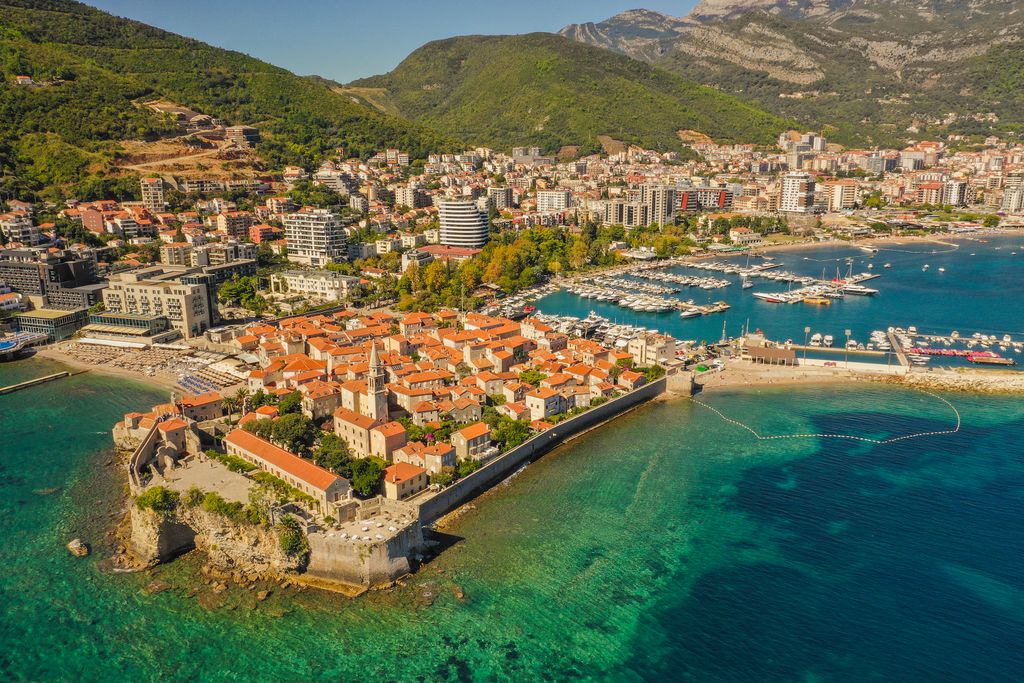
The setting is genuinely extraordinary. The Bay of Kotor isn’t photographed everywhere because of marketing — limestone cliffs dropping near-vertically into sheltered dark water, a medieval walled town at the base, the whole bay running 28 kilometres inland. It looks like a fjord. It delivers in person what it promises in photographs, which is rarer than it should be.
It’s cheaper than Croatia. Budget daily in Montenegro: €50-80, covering guesthouse, local meals, and transport. Comparable Dubrovnik: €70-110. Kotor fortress entry is €15; Dubrovnik’s city walls are €35. The Adriatic quality — clear water, Venetian architecture, medieval towns — costs less here.
The size works in your favour. Montenegro is 14,000 km² — smaller than Wales. You can base in Kotor and reach Budva (30 minutes), Perast (20 minutes), the Ostrog Monastery cliff face (1.5 hours), Lake Skadar (2 hours), and the start of the Durmitor mountain road (2.5 hours) from the same guesthouse. The country’s compactness means a 5-7 night trip can cover coast, lake, monastery, and mountains without relocating.
September is exceptional. Sea temperature 22-24°C. Tourist volume drops sharply from August peak. Prices fall 15-25%. The cruise ship frequency at Kotor reduces significantly. The interior weather is ideal for hiking. If you have any flexibility on dates, September is the answer to most of Montenegro’s peak-season problems.
It combines naturally with its neighbours. Kotor is 2 hours from Dubrovnik by car or bus. The Albanian border at Sukobin is 1 hour south by car. Bosnia (Sarajevo) is 4 hours northeast. Montenegro is the natural middle link in a Balkans circuit: fly into Tirana (Ryanair from London from ~£14), head north through Albania, spend 3-4 nights in Montenegro, cross into Croatia for Dubrovnik. Or fly home from Dubrovnik. No other small country in Europe connects three distinct travel regions this efficiently.
Full Balkans connection: Albania Travel Guide 2026
The Honest Cons
The beaches are mostly pebble. The Montenegrin Adriatic coastline is predominantly rock and pebble — not the sandy beaches the photographs can imply. Budva’s Slovenska Plaza is sandy and 1.8km long, and it’s genuinely good. Mogren Beach (also Budva, 10 minutes’ walk) is pebble. The Bay of Kotor has no traditional beach — it’s sheltered bay swimming, not open-sea beach with sand. If soft sand is the primary goal, Montenegro will disappoint. Albania (Ksamil, Borsh, Drymades — all sandy) or Croatia’s sandier stretches are the right answer for that specific requirement.
Kotor in peak summer is very crowded. Multiple cruise ships can dock in Kotor on a July or August day, unloading thousands of passengers into a 2km old town. 10AM-6PM in peak season, the lanes are shoulder-to-shoulder. The town empties after ships leave (~6-7PM) and becomes a completely different experience. This is manageable if you know it’s coming — stay overnight, walk the old town in the evening, climb the fortress before 8AM. But if you’re expecting a quiet medieval atmosphere in the middle of an August day, you’ll be disappointed.
The roads require confidence. Montenegro’s mountain roads, particularly in the north and around the Kotor serpentine (the switchback road above the bay), are narrow, winding, and without guardrails in places. They’re navigable with care. They are genuinely stressful for drivers who aren’t comfortable on single-lane mountain roads. Buses handle the main routes; if you want the interior independently, factor in driving comfort honestly before renting a car.
It has no islands. Croatia has Hvar, Brač, Korčula, Vis, Mljet — a Dalmatian island culture built around sailing and island-hopping. Montenegro has the Bay of Kotor and the Adriatic coast. If island-hopping is a core part of the trip plan, Montenegro is the wrong destination.
Podgorica is not worth a special trip. Montenegro’s capital is a functional modern city without compelling sightseeing. The Plantaže vineyard 3km outside the city is interesting. The Cathedral of the Resurrection is impressive modern architecture. For most visitors, Podgorica is a transport hub (airport) rather than a destination.
Who Montenegro Is Right For
Travelers combining it with Albania or Croatia. Montenegro’s position between Tirana and Dubrovnik is its strongest card. A Balkans loop — Tirana (cheap flights) → Albanian Riviera → Montenegro (Kotor, Durmitor) → Dubrovnik → fly home — is one of the more varied and cost-effective summer itineraries available from the UK or Western Europe. Montenegro as a standalone 5-night trip is good. Montenegro as a linking country in a 2-3 week itinerary is better.
Shoulder season travelers. May-June and September give you the bay, the fortress, and Perast without the cruise ship peak. The sea is warm enough by June (19-21°C rising) and still warm in September (22-24°C). The 15-25% price reduction in shoulder season is real and significant over a week.
Hikers and outdoor travelers. Durmitor, the Tara Canyon, Biogradska Gora, Lovćen, and the coastal Lustica Peninsula all offer hiking ranging from easy lake walks to serious mountaineering. The variety within a small country is unusual.
Anyone who specifically wants dramatic scenery at lower prices than Croatia. The Bay of Kotor, the Ostrog Monastery cliff face, the Tara Canyon — all are visually extraordinary and consistently cheaper than their Croatian equivalents.
Who Montenegro Is Not Right For
- Families who specifically need sandy beaches (pack water shoes and lower expectations, or add Albania for sand)
- Package holiday travelers expecting reliability and ease (Montenegro rewards flexibility; it punishes rigid itineraries)
- Anyone wanting island variety (none available)
- July-August visitors expecting Kotor to be quiet (it won’t be; plan around the cruise ships or go in September)
- Travelers wanting a capital city experience (Podgorica is not that city)
Costs at a Glance (2026)
| Item | Price |
|---|---|
| Budget daily (guesthouse + local meals) | €50-80 |
| Mid-range daily | €100-150 |
| Kotor fortress entry | €15 (free before 8AM) |
| Espresso | €1.20-1.80 |
| Dinner | €10-25 |
| Kotor-Budva local bus | €3.50 |
| Dubrovnik-Kotor taxi | €70-90 |
| Rental car | €25-40/day |
Montenegro uses euros. No currency exchange needed.
FAQ
Is Montenegro worth visiting in 2026?
Yes, with honest caveats. The Bay of Kotor is one of Europe’s most dramatic coastal settings, and Montenegro is usually cheaper than Croatia. The Bay of Kotor, Perast, Lake Skadar, and Durmitor make Montenegro a strong addition to a Balkans route combining Albania, Montenegro, and Croatia. The caveat is Kotor in July and August: the old town can be very crowded when cruise ships are in port.
Is Montenegro too touristy in 2026?
Kotor specifically, in July and August, can feel too touristy. Cruise arrivals put heavy pressure on the small old town, and Kotor has been widely reported as struggling with cruise-related overtourism. Check the Port of Kotor before visiting if you want to avoid the busiest cruise days. The rest of Montenegro, including Lake Skadar, Perast, Durmitor, and the interior, is much less crowded.
Is Montenegro safe for tourists?
Yes. Montenegro is generally safe for tourists, and the US State Department Montenegro travel advisory lists the country at Level 1: Exercise Normal Precautions. Standard travel awareness still applies, especially in busy tourist areas. The main practical safety issue is driving: mountain roads can be narrow, winding, and demanding, so confident driving matters.
Is Montenegro expensive?
No, not compared with Croatia, Greece, or Italy. A realistic budget travel day in Montenegro is around €50-80, depending on season and location. Kotor and Budva are the most expensive coastal bases in summer, while the interior and shoulder-season travel are better value. Montenegro uses the euro, so visitors from eurozone countries do not need currency exchange.
Is Montenegro better in shoulder season?
Yes, significantly. September is often the best month: the sea is still warm, prices are lower than August, and Kotor is more manageable outside peak cruise and beach crowds. May and June are also strong, especially for Tara rafting, wildflowers in Durmitor National Park, Lake Skadar, and coastal sightseeing without the worst summer heat. For most travellers, May-June or September is better than July-August.
Related articles:
- Kotor Montenegro Guide 2026
- Montenegro Beyond Kotor 2026
- Albania Travel Guide 2026
- Eastern Europe Travel Guide 2026
Created by WanderGuide Travel Desk
Practical travel planning, built for independent travellers.
WanderGuide articles are created using official tourism and transport sources, route research, hotel-area checks, cost comparisons, local travel context and practical itinerary planning for first-time and budget-conscious travellers.
Read our editorial approach