
Albania’s tourist-area prices rose 12-20% in 2025. Ksamil in peak summer now approaches Greek island levels. Those two facts are absent from most Albania vs Croatia comparisons still circulating from 2022-2024.
The honest 2026 position: Albania is still 30-50% cheaper than Croatia for comparable beach trips. A mid-range Dubrovnik week runs €1,050-1,750 per person. An equivalent week in Albania runs €350-630. The gap is real and significant. But it is narrower than it was, and narrower at Ksamil in July-August specifically than it is anywhere else in Albania.
This guide gives confirmed 2026 prices for both countries and the specific reasons each one wins — and loses — the comparison.
Prices sourced from gezikolik (April 2026), bookiscout (February 2026), simbye (May 2026), albania-blog (May 2026), and roafly (January 2026).
The Cost Gap in Concrete Numbers
| Item | Albania | Croatia (Dubrovnik) |
|---|---|---|
| Budget daily | €25-45 | €70-110 |
| Mid-range daily | €50-90 | €150-250 |
| Mid-range hotel peak | €40-80/night | €150-300/night |
| Coffee | €0.50-1 | €2-4 |
| Seafood dinner | €6-8 | €20-50 |
| City walls / main attraction | under €10 | €35 (Dubrovnik walls) |
| Plitvice Lakes entry (peak) | n/a | €40 |
| Restaurant couvert charge | None | €2-5/person |
| Daily tourist tax | Not standard | €2.65/night (Dubrovnik peak) |
The Dubrovnik city walls single-entry ticket at €35 per adult costs more than an entire budget day in Albania. That is not a rhetorical point — it is a literal comparison of confirmed 2026 prices.
Croatia also applies a couvert charge in most Dubrovnik tourist restaurants: €2-5 per person for bread and a table setting. It appears automatically on the bill. Albania has no equivalent charge. For a couple eating out for seven days, this adds €28-70 before any food is ordered.
Is Albania Still Cheap in 2026?
Yes — relative to Croatia, Greece, and Italy. But the “secret ultra-cheap paradise” framing of 2021-2023 travel blogs no longer reflects the reality of peak season on the Albanian Riviera.
Tourist-area prices rose 12-20% in 2025. At Ksamil specifically — the most photographed Albanian beach, the one driving most of the Instagram traffic — peak July and August prices now approach Greek island levels for beach clubs, accommodation, and restaurants.
What this means practically:
Albania’s cost advantage over Croatia is strongest in May, June, and September. In those months, Ksamil and Himarë are genuinely 40-60% cheaper than comparable Croatian beach options.
In July-August at the most popular spots (Ksamil, Sarandë), the advantage narrows. The beaches are also more crowded — roafly.com (January 2026) describes Ksamil at peak as “sardine-style with sunbeds leaving little room to walk.”
Albania is still good value in 2026. Book in shoulder season and stay at Himarë rather than Ksamil for the best combination of value and experience. The old guides that say “Albania is the cheapest beach in Europe” were accurate in 2021. The accurate 2026 statement is: Albania is significantly cheaper than Croatia, less so than it was three years ago, and specifically more competitive in shoulder season.
Beaches: Sand, Pebbles, and What Actually Matters
This is where the comparison diverges most from the generic “Albania wins on beaches” line.
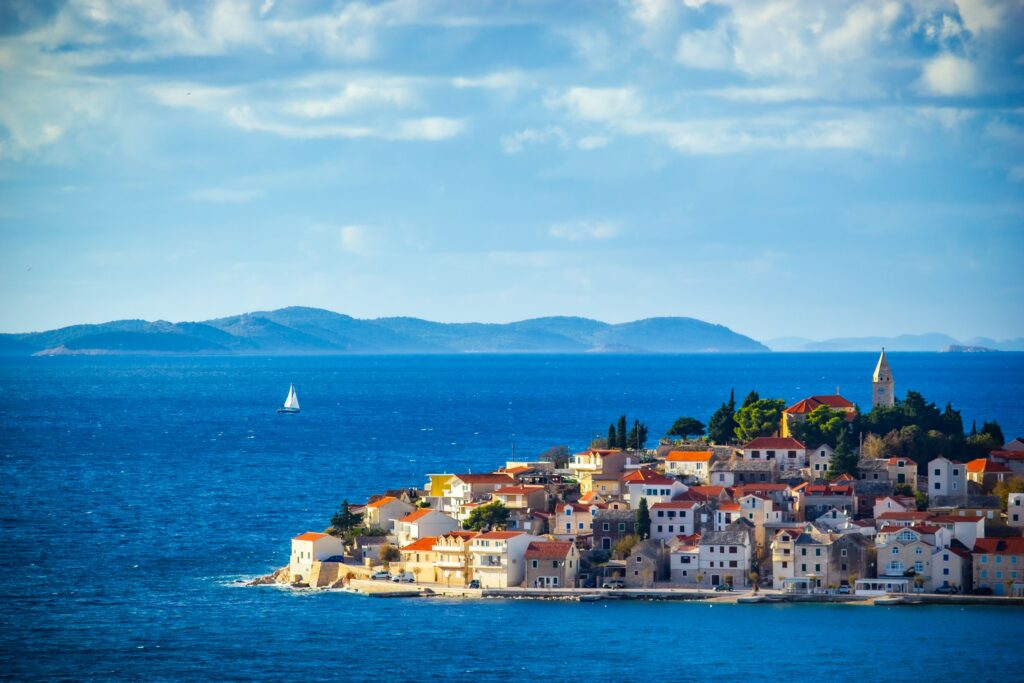
Croatia’s coast is predominantly pebble and rock — particularly the Dalmatian coast around Dubrovnik, Split, and Hvar. The water clarity is exceptional because there is no sand to stir up; it stays clear and swimming-pool-blue throughout summer. You need water shoes. Children cannot easily run on the beach.
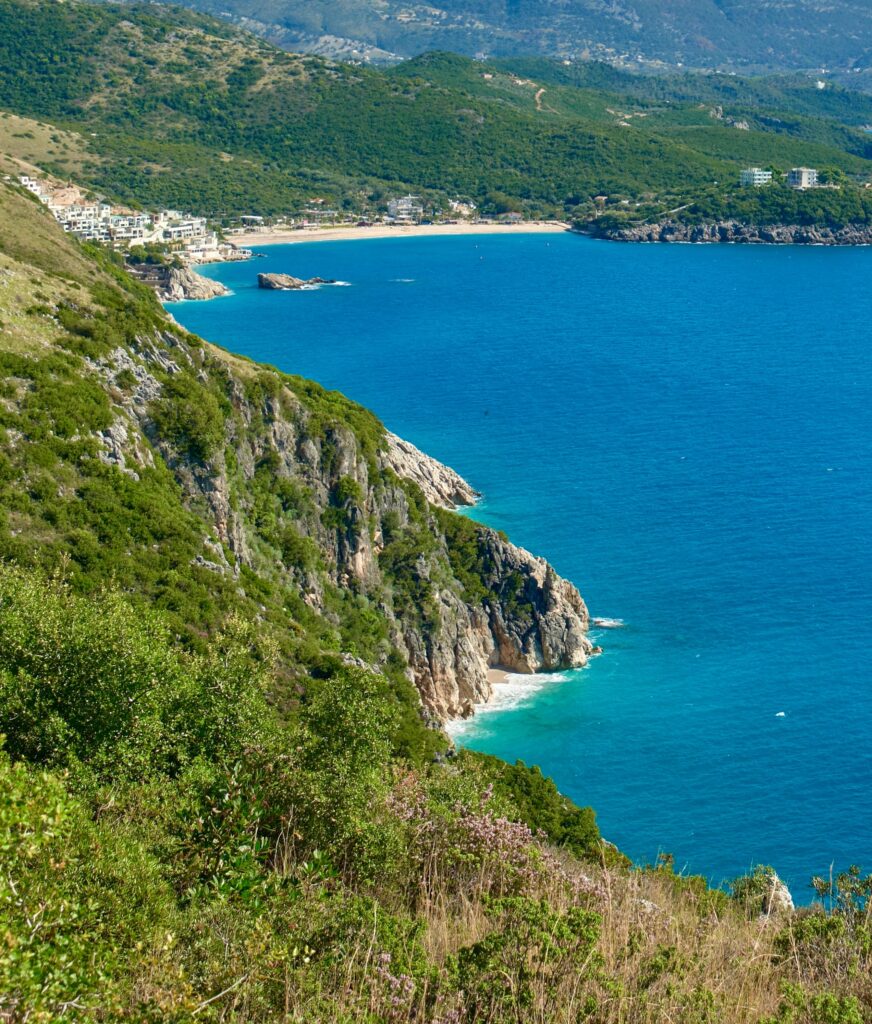
Albania’s Riviera is predominantly sand, especially in the south — Ksamil, Borsh, Drymades, Gjipe. The turquoise colour comes from the sand and shallow gradient. You can walk on it barefoot. The photographs look like the Maldives. The Ionian Sea that Albania sits on is comparable in clarity to the Croatian Adriatic.
The practical difference: If you have children, or specifically want to walk on sand, or want the beach photograph that looks like the Aegean, Albania wins clearly. If you care primarily about water clarity and don’t mind pebbles, both countries deliver comparable quality.
Albania’s gap: Croatia has islands. Hvar, Brač, Korčula, Vis, Mljet — a Dalmatian sailing culture and island variety that Albania simply cannot match. If island-hopping is part of what you want from a summer trip, Croatia is the only answer. Albania has the Riviera coast. It does not have islands.
Infrastructure: The Honest Gap
Croatia joined the Eurozone in January 2023. Everything is priced in euros. Cards work everywhere. Roads are good. Ferry connections are reliable. Healthcare facilities near tourist areas are Western-standard.
Albania is genuinely developing. Roads on the Riviera are improving but some stretches — particularly to less-visited coves and the access road to Himarë from the Llogara Pass — are mountain-grade. Card acceptance has improved dramatically in Tirana and major tourist areas. In smaller villages, cash is still essential. WhatsApp is how you communicate with guesthouses in many areas.
Neither of these is a dealbreaker for most travelers. But the gap is real and specific.
EU roaming: Croatia is in the EU — EU roaming applies. Albania is not. As of May 2026, EU roaming has not been extended to Albania despite earlier plans. A Vodafone Albania tourist SIM at the airport costs ~2,300 ALL (~€21) for 40GB over 15 days. Budget for it.
Nightlife: Split, Not Just Dubrovnik
Most Albania vs Croatia comparisons use Dubrovnik as the Croatia reference point. That overstates the price gap. Dubrovnik is the most expensive city in Croatia. Split, Zadar, and Rovinj are meaningfully cheaper.
If you’re comparing the Albanian Riviera to the Dalmatian coast broadly — not specifically Dubrovnik — the cost gap narrows. A mid-range guesthouse in Split runs €60-90 per night in peak season, not €150-300. Meals in Split run €12-20, not €25-40. The gap remains real but is closer to 30-40% rather than 50-70%.
For nightlife: Croatia wins at the high end. Split’s Ultra Europe festival and Hvar’s beach clubs are the best in the region. Albania’s Riviera nightlife is improving but remains informal. Tirana has a strong nightlife scene — but Tirana is not a beach destination.
Practical Comparison Table
| Category | Albania wins | Croatia wins |
|---|---|---|
| Cost (peak season) | ✓ — 30-50% cheaper | |
| Cost (shoulder season) | ✓ — 40-60% cheaper | |
| Sand beaches | ✓ — predominantly sand | |
| Water clarity | Tie — Ionian = Adriatic | |
| Islands | ✓ — no Albanian equivalent | |
| Infrastructure | ✓ — better roads, Eurozone | |
| EU roaming | ✓ — Croatia in EU | |
| Nightlife (top end) | ✓ — Split, Hvar | |
| Nightlife (Tirana) | ✓ — strong scene | |
| Crowds (peak) | Tie — Ksamil busy now | |
| Cultural history | Tie — both excellent | |
| Mountain + sea combo | ✓ — more dramatic | |
| Island variety | ✓ — Hvar, Korčula, Vis |
Who Should Go Where
Choose Albania if:
- Budget is the primary driver and you’re visiting in May, June, or September
- You specifically want sand beaches rather than pebbles
- The combination of Ottoman history (Gjirokastër, Berat), mountain scenery (Theth), and beach is more interesting than a pure coastal holiday
- You want something that still feels genuinely undiscovered outside of Ksamil
- You have 7-14 days and want to combine Tirana, the historic towns, and the coast
Choose Croatia if:
- Island-hopping is part of the plan — Croatia’s Dalmatian islands have no Albanian equivalent
- Infrastructure reliability matters — Eurozone, EU roaming, better roads
- Peak July-August with children: Croatian beaches are more organised, facilities are more reliable, and the pebble beaches aren’t actually a problem once you have water shoes
- You specifically want the Dubrovnik walled city experience, which is unique and genuinely extraordinary despite the cost
Do both if:
- You have 2 weeks and want the contrast — fly into Tirana, do Albania, cross into Montenegro, ferry or fly to Croatia, fly home
- Budget allows it — the combination is one of the better European summer itineraries available
FAQ
Is there a train from Budapest Airport?
Not directly from the terminal. Budapest Airport does not have an in-terminal train station, but you can use public transport connections through the city using the BKK journey planner. For most visitors, the simpler airport option is the direct 100E Airport Express bus into central Budapest.
Can I use contactless payment on the 100E airport bus?
Yes. Budapest Pay&GO allows you to tap a bank card or smart device directly on the validator when boarding the 100E Airport Express. BKK’s Pay&GO guide explains how contactless ticket purchase and validation work.
Is there night service from Budapest Airport?
Yes, but always check the live schedule before relying on late-night transport. The 100E Airport Express is the main direct airport bus, while taxis and Bolt are the easiest fallback options late at night or after flight delays.
Do I need to book Főtaxi at Budapest Airport?
No. Főtaxi is the official contracted taxi provider at Budapest Airport, and taxis are normally available from the airport rank on demand. Pre-book through the Főtaxi online order page if you want guaranteed availability at unusual hours.
Related articles:
- Albania Travel Guide 2026
- Tirana Travel Guide 2026
- Eastern Europe Summer Travel Deals 2026
- Eastern Europe Travel Guide 2026
Created by WanderGuide Travel Desk
Practical travel planning, built for independent travellers.
WanderGuide articles are created using official tourism and transport sources, route research, hotel-area checks, cost comparisons, local travel context and practical itinerary planning for first-time and budget-conscious travellers.
Read our editorial approach